Preserving Historic Fabrics, Costumes,
Flags & Quilts
Textile Conservation for Museums, Communities & Families
Our team provides textile conservation for garments, flags, quilts, tapestries, embroideries, and contemporary fiber art. Based in Cleveland, we serve Ohio and the wider Midwest with projects nationwide. We assess condition, plan treatment, and return textiles to safe display or storage while honoring their history and meaning.
Challenges with Aging Textiles
Cleaning, Stabilization & Care for Fragile Fabrics
Time leaves marks on fabric: stains and soiling, weakened fibers, tears along folds, fraying edges, and dye instability. Our approach combines careful testing with methods suited to each material, wet cleaning when safe, dry or solvent cleaning when necessary, hand stitching for garment conservation, sheer overlays to support fragile areas, and controlled humidification to reduce creases. The team addresses pests or mold when present, ensuring the textile is stable and ready for display or storage.
Types of Textiles We Treat
Costumes, Flags, Quilts, Tapestries & Fiber Art
Costumes and historic garments—including wedding dresses, uniforms, and theatrical clothing—benefit from careful structural support and textile conservation. Flat textiles such as quilts, banners, embroideries, and tapestries may require specialized cleaning, stabilization, and mounting solutions that distribute weight and reduce stress on the fibers. We also treat household and ceremonial textiles, rugs, ecclesiastical objects, hats, and mixed-media fiber works that incorporate metal, organic, or other composite materials.
Process & Documentation
Condition Report, Treatment Proposal & Clear Records
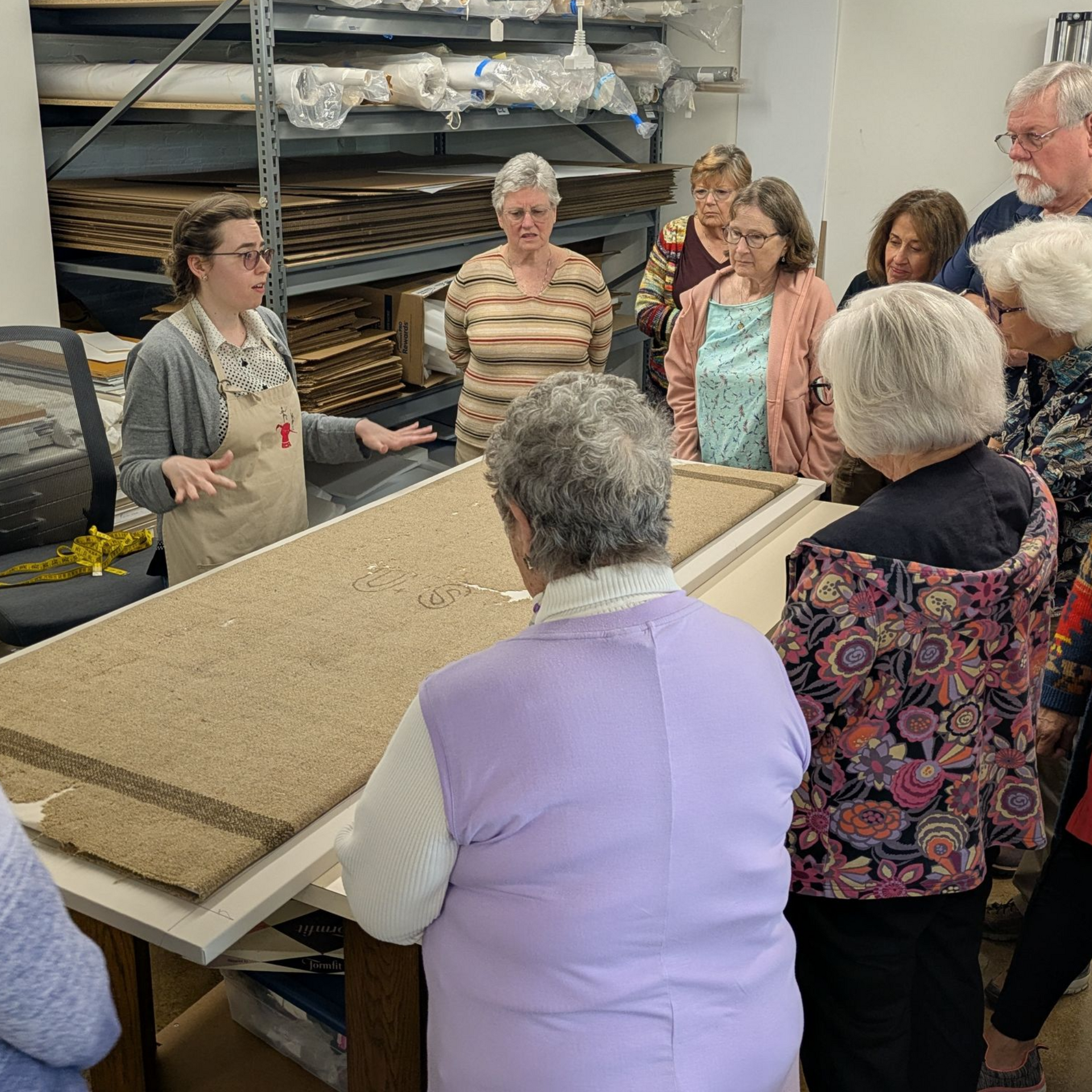
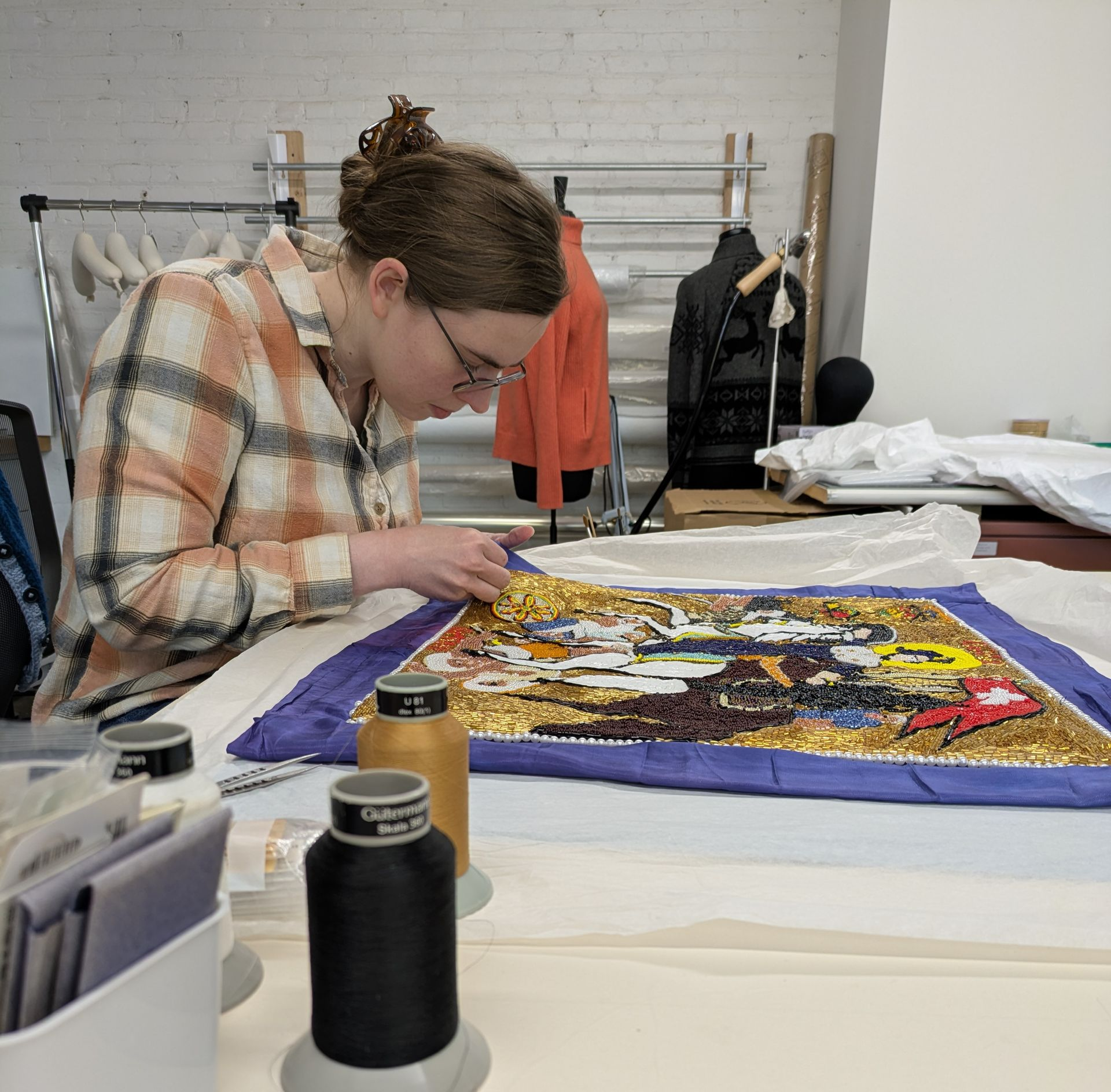
Each project begins with an examination and written condition report that notes structure, materials, stains, weakness, and prior alterations. A treatment proposal outlines recommended steps: cleaning, support stitching, overlays, fills, reattachment of trims, and a timeline. Our work is documented with before-and-after photography and guidance for safe display and storage. Our team follows recognized conservation standards, chosen with reversibility in mind when appropriate.
Mounting, Display & Storage
Supports, UV Protection & Archival Housing
Textiles are sensitive to light, gravity, and handling. After treatment, we advise on low-light display, rotation schedules, and UV mitigation. We design or recommend padded hangers, slant mounts, Velcro or sleeve systems, and pressure mounts that support weight evenly. For long-term care, we provide guidance on archival housing like acid-free boxing, tissue padding, rolling, and climate considerations, so you can preserve your historic textiles at home or in the gallery.
Project Highlights
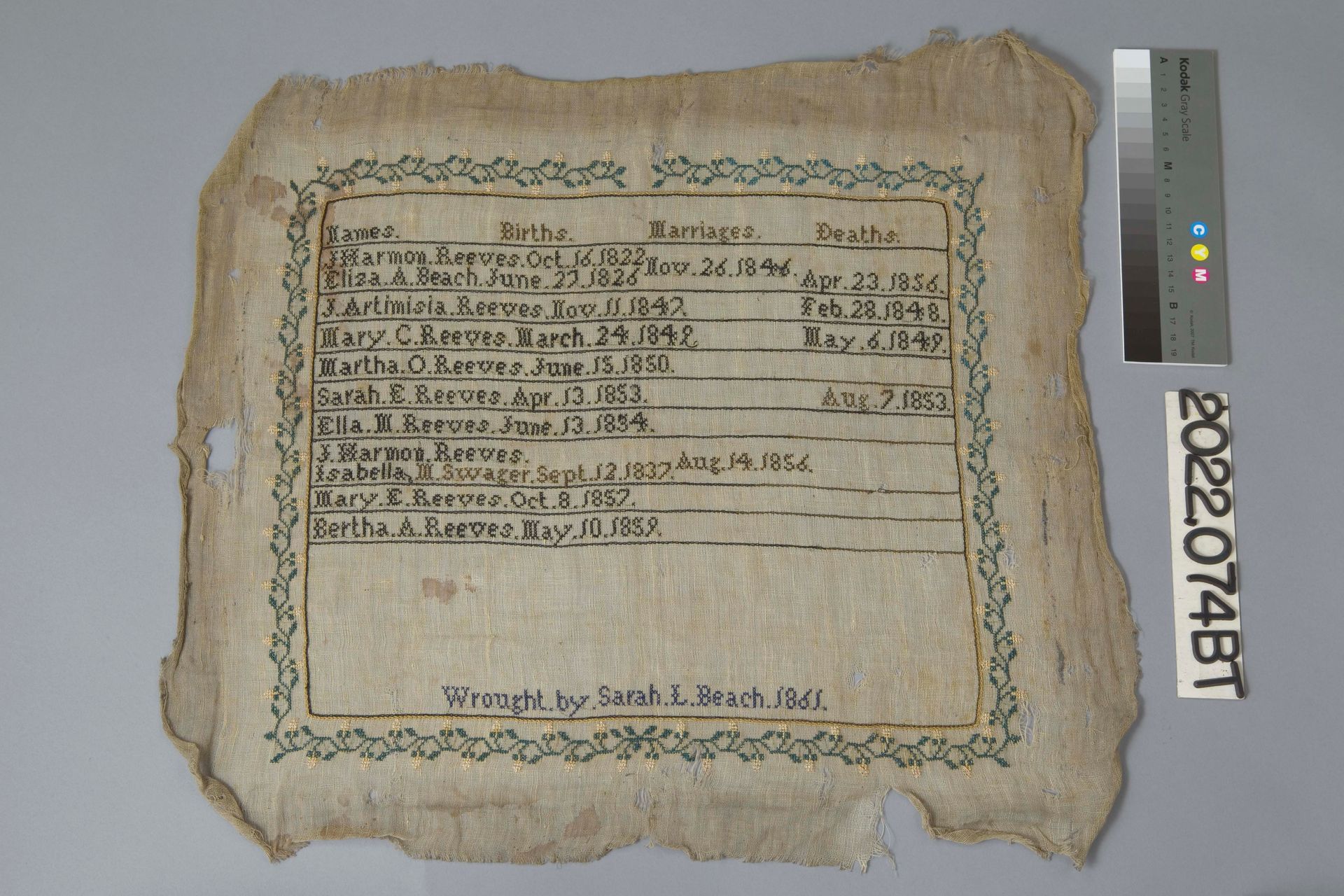
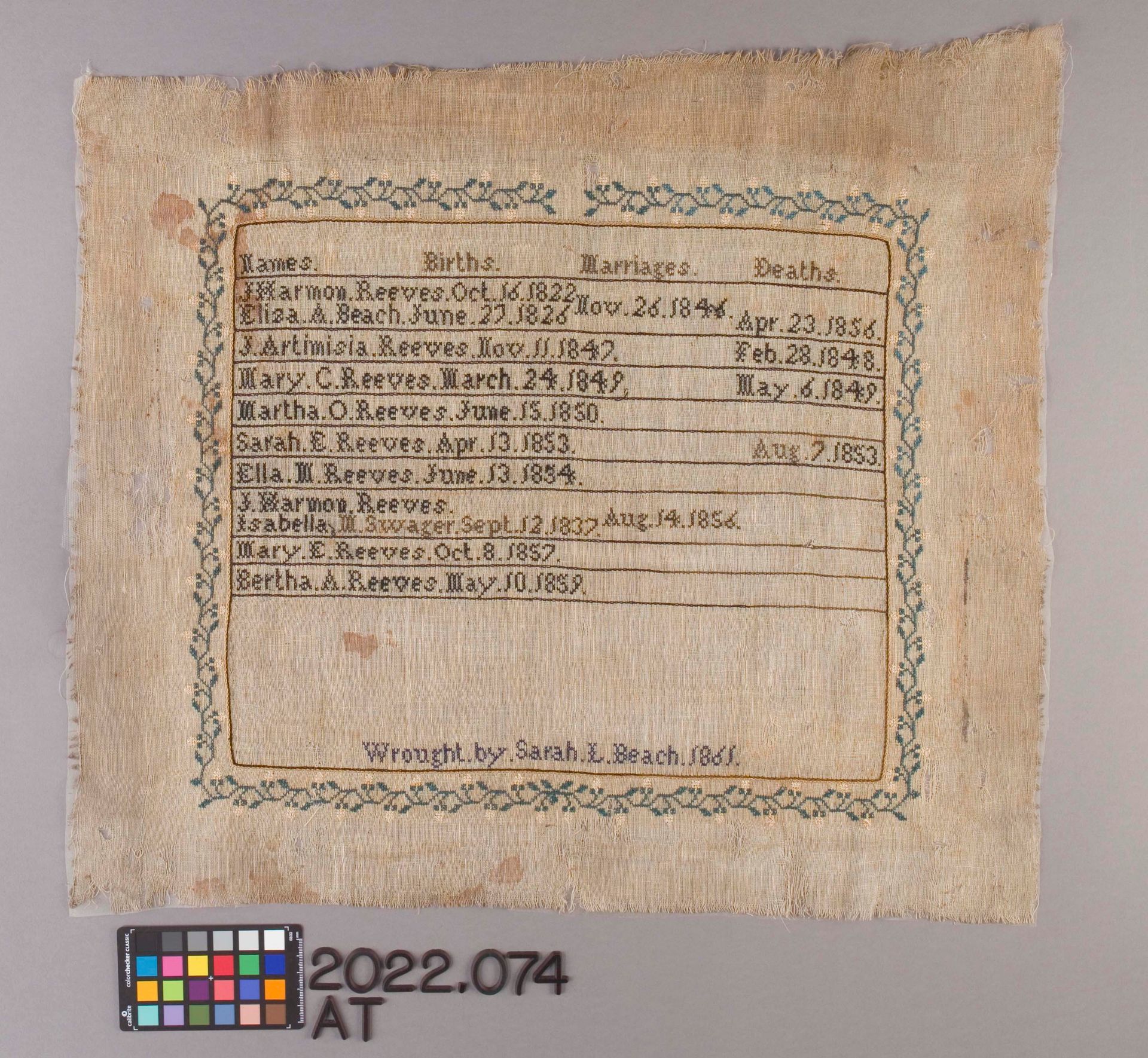
Project Highlight - Sarah Beach, Sampler, 1861
Private Collection
Treatment Summary: The 1861 family history sampler by Sarah Beach was carefully assessed and treated to stabilize both the linen ground and delicate silk embroidery. Testing showed that the green silk thread in the border was highly sensitive to moisture and prone to dye bleeding, so cleaning methods were adjusted to protect these areas. Surface grime was gently reduced using dry cleaning techniques, while only selected linen areas were carefully wet-cleaned with controlled solutions, avoiding any contact with vulnerable embroidery threads. Weak or damaged areas of the textile were reinforced from the reverse using fine support materials, with displaced threads carefully realigned and secured. After treatment, the sampler was stabilized, visually unified, and safely mounted on a supportive display board with protective fabric layers and a reversible mounting system designed to reduce stress on the textile while allowing safe exhibition and long-term preservation.
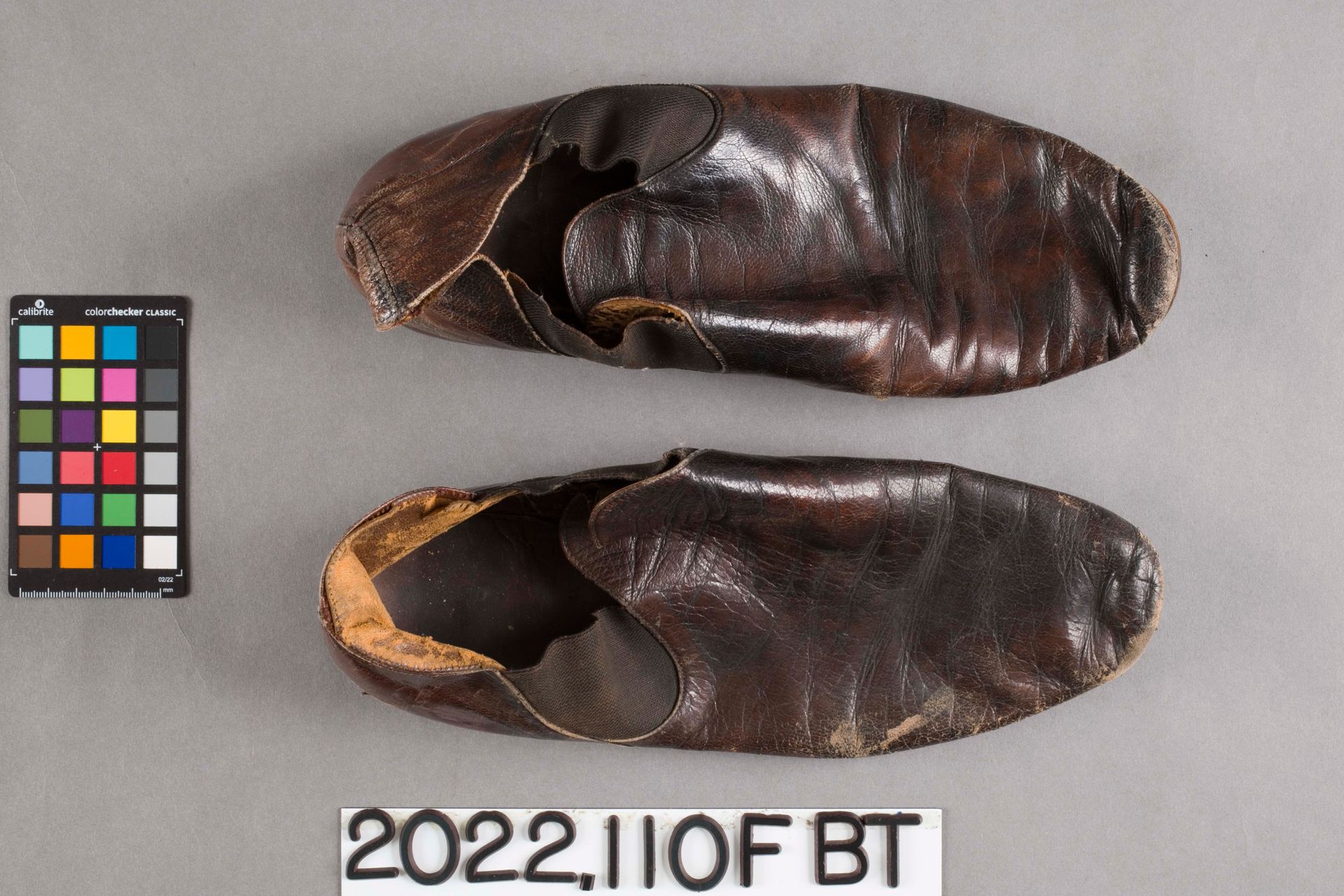
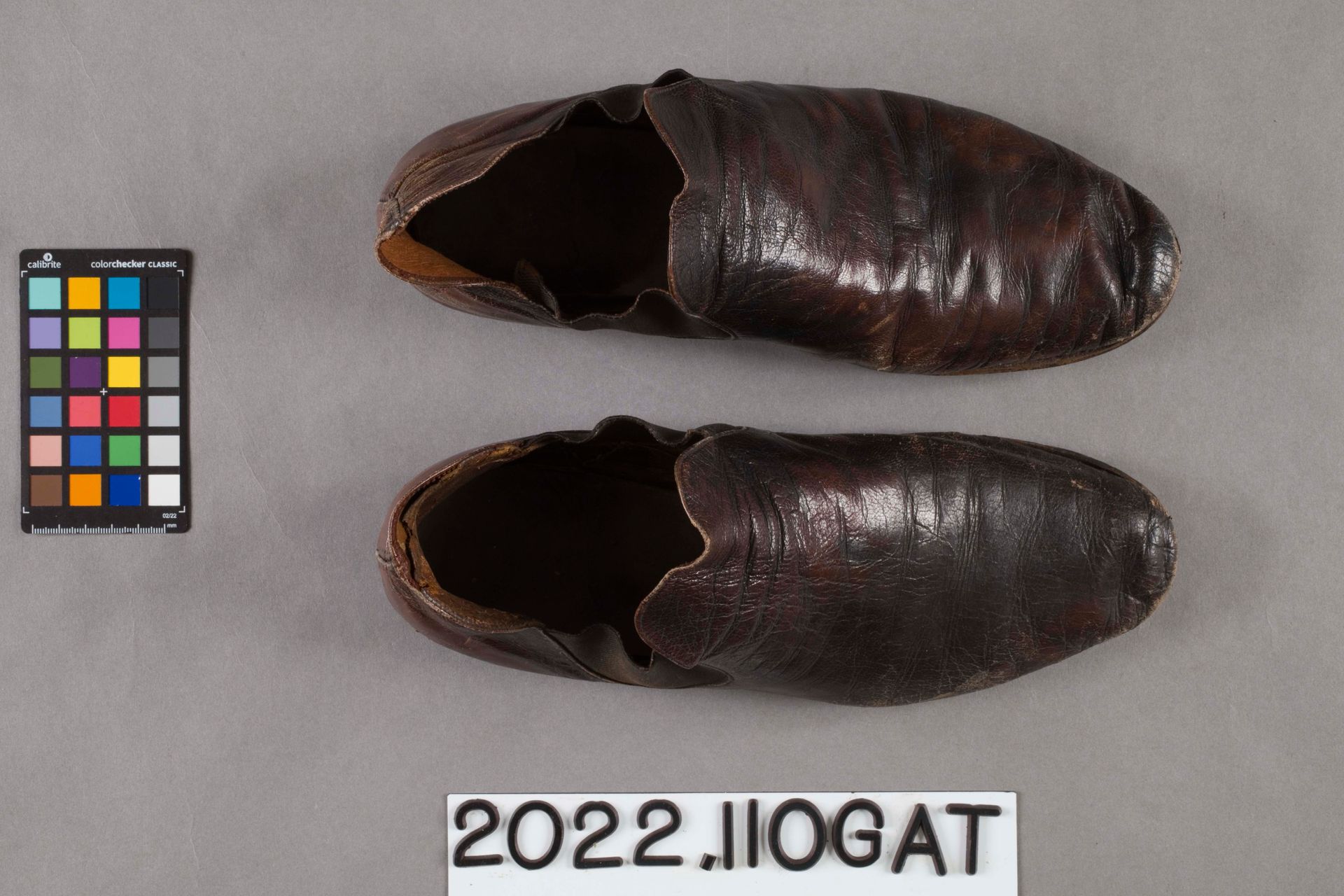
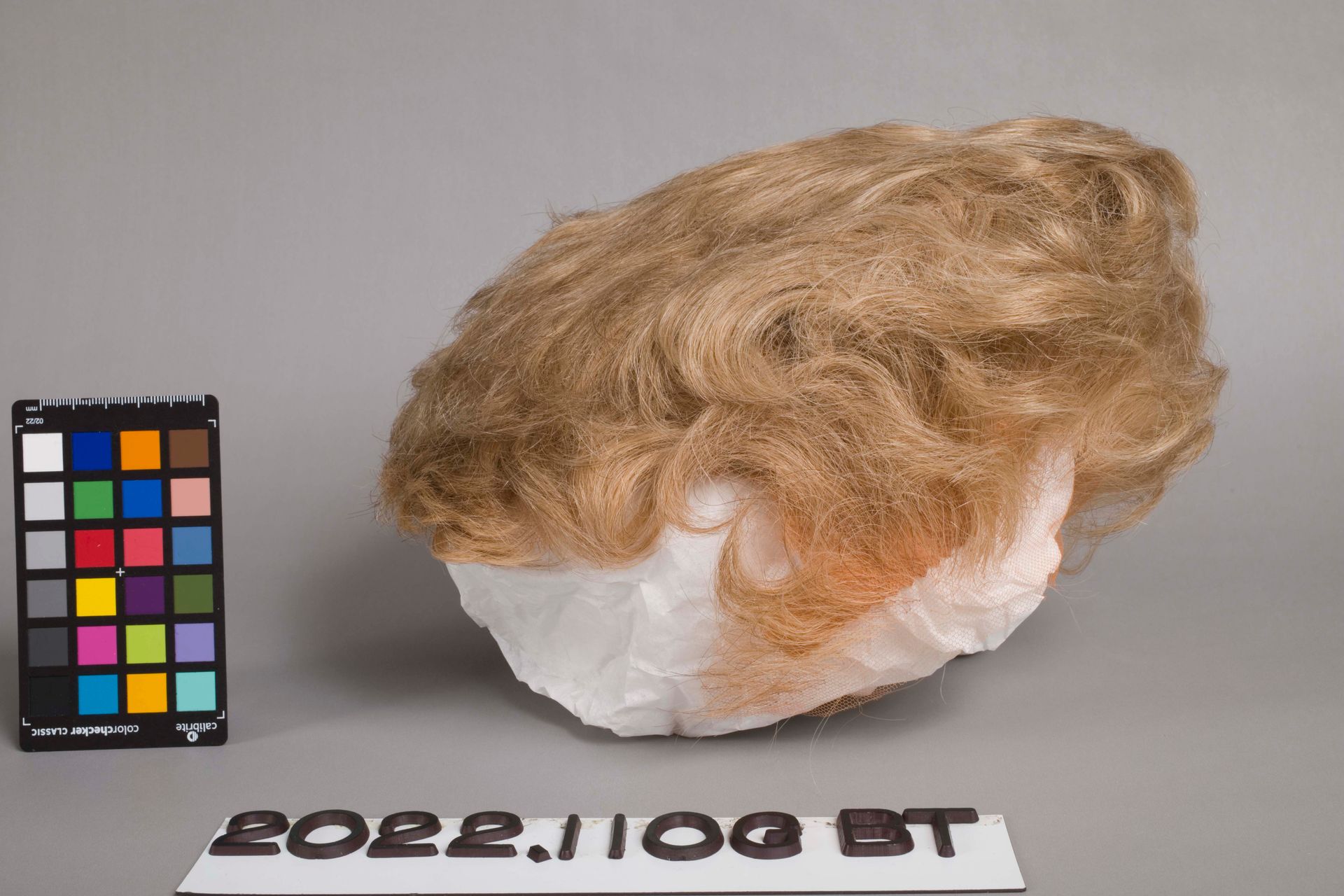
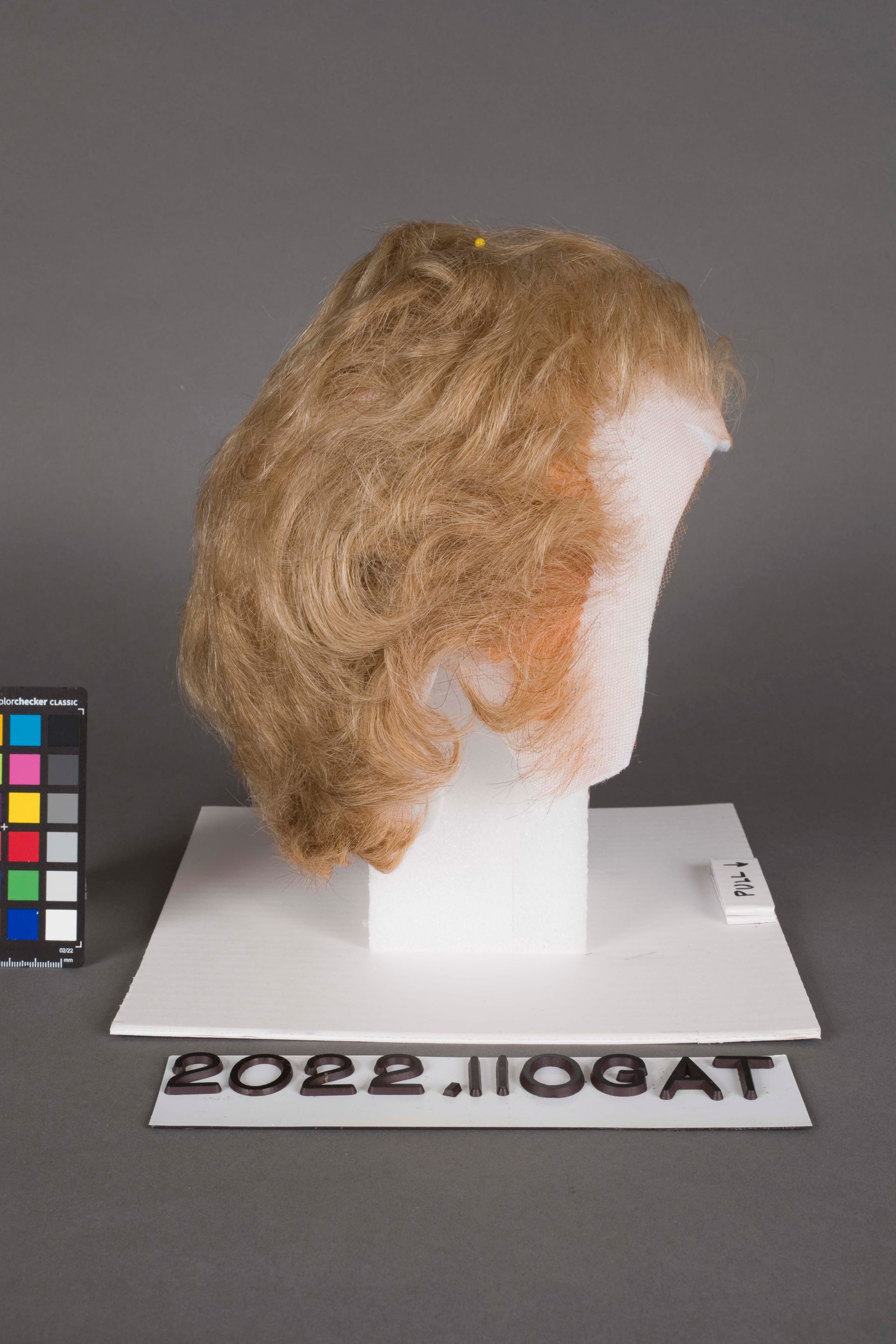
Project Highlight - Mark Twain costume work by Hal Holbrook, ca. 1967
Denison University Libraries
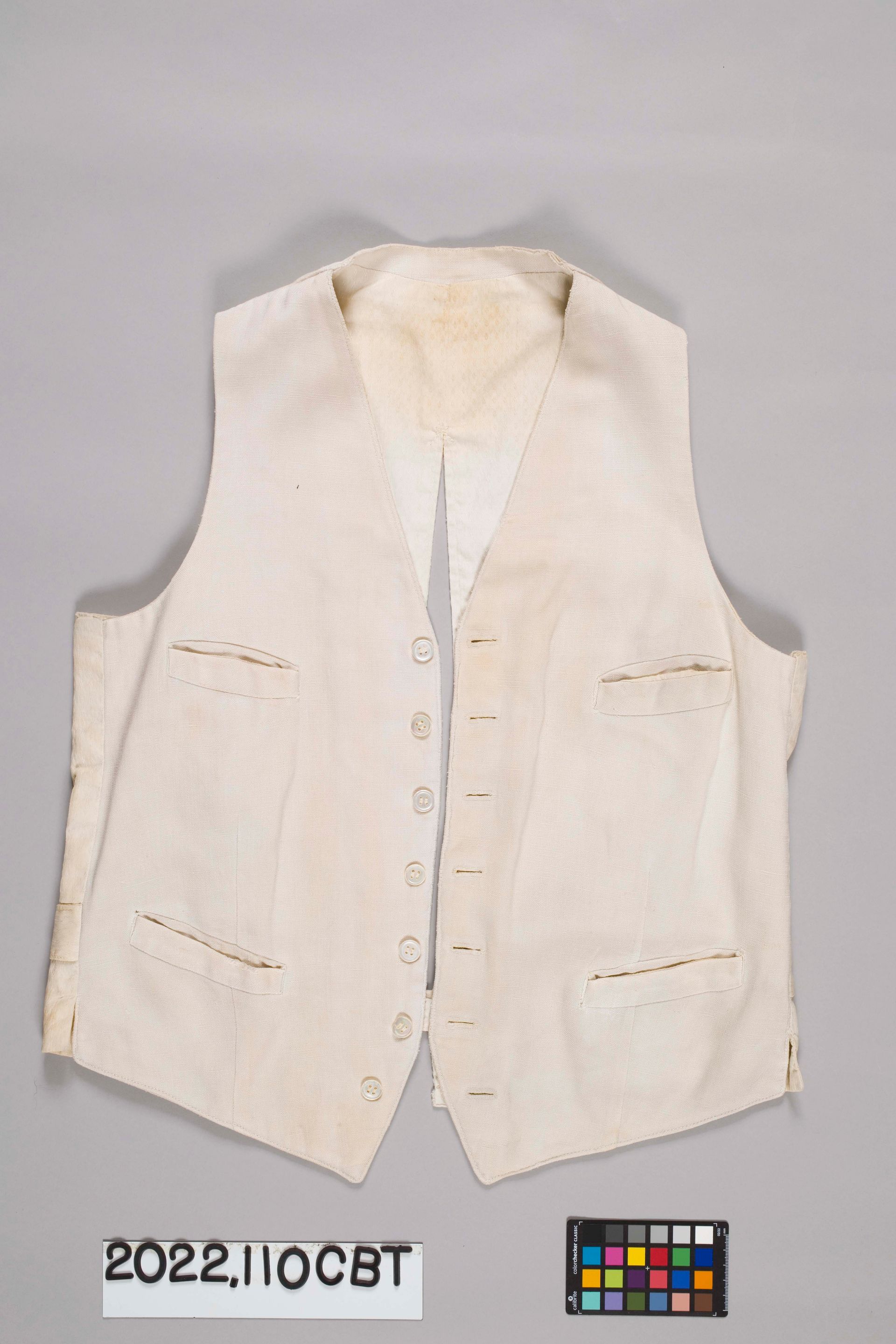
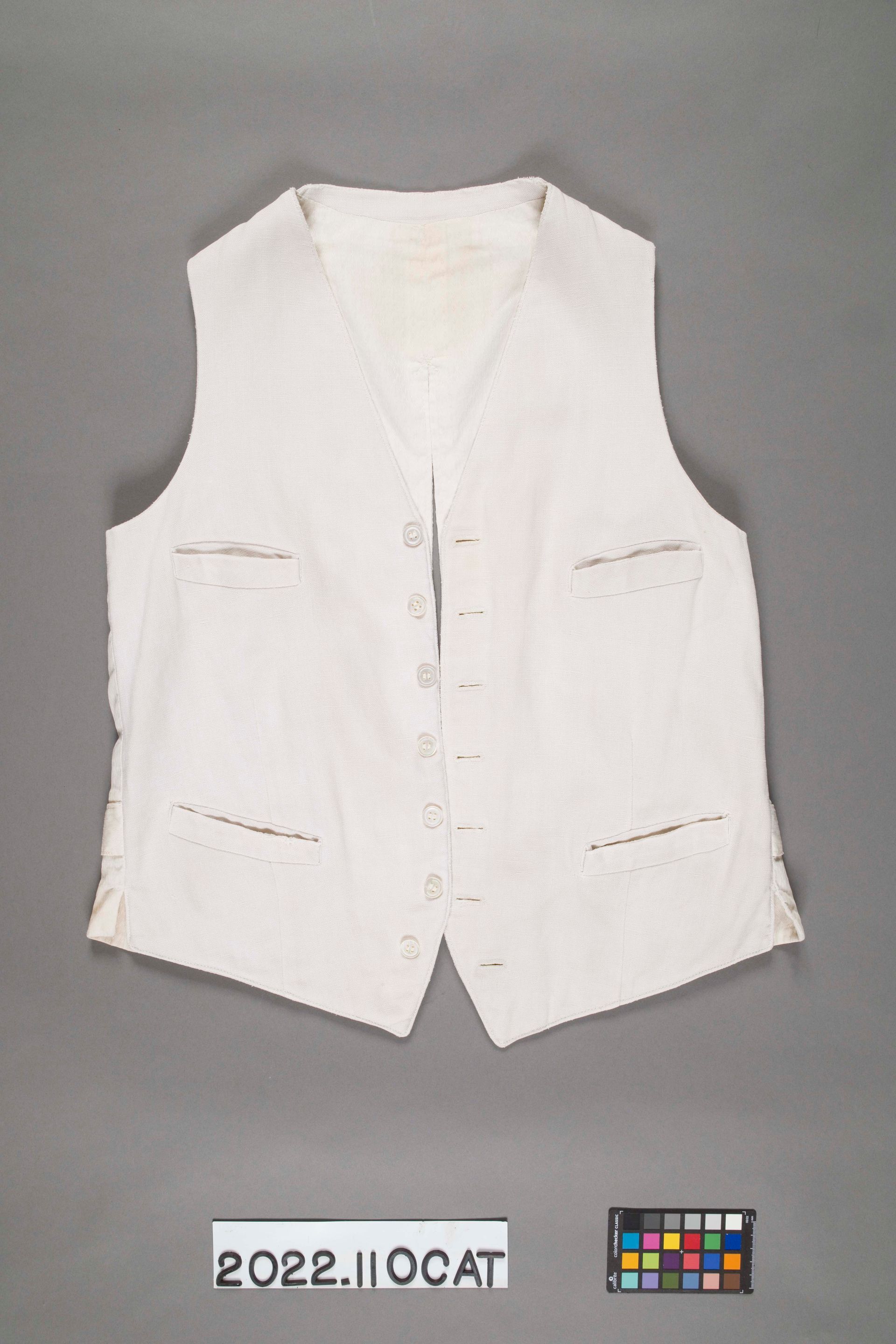
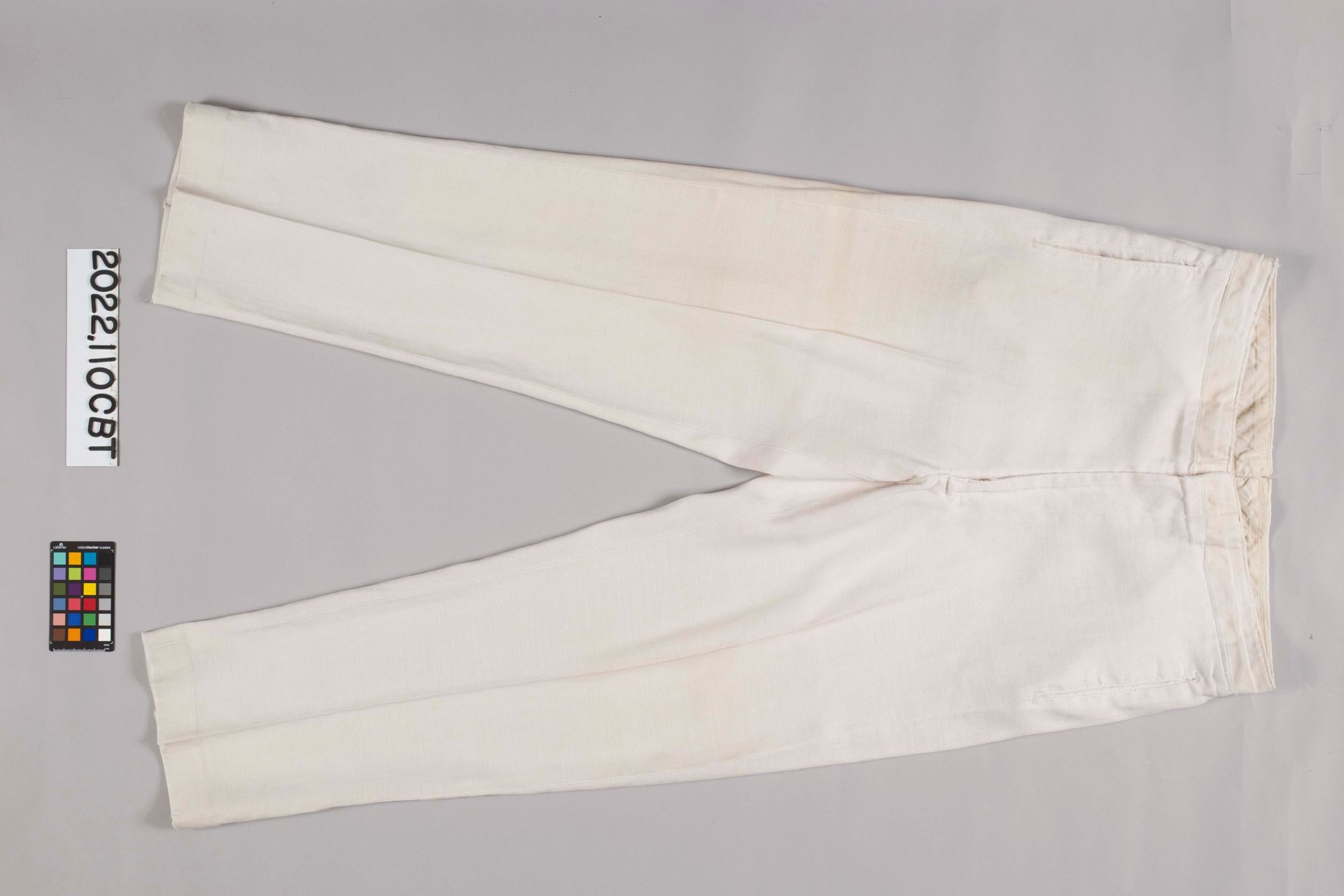
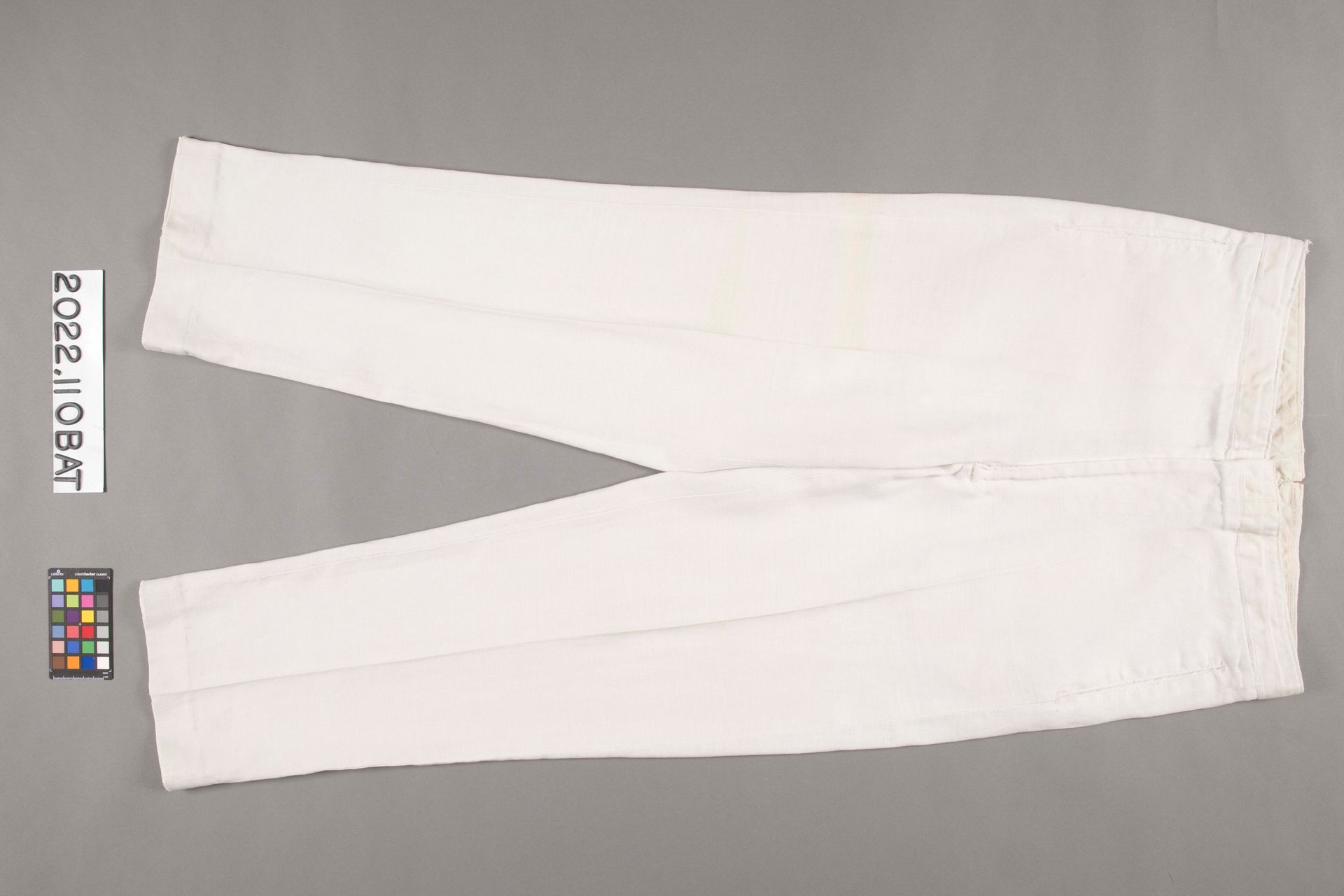
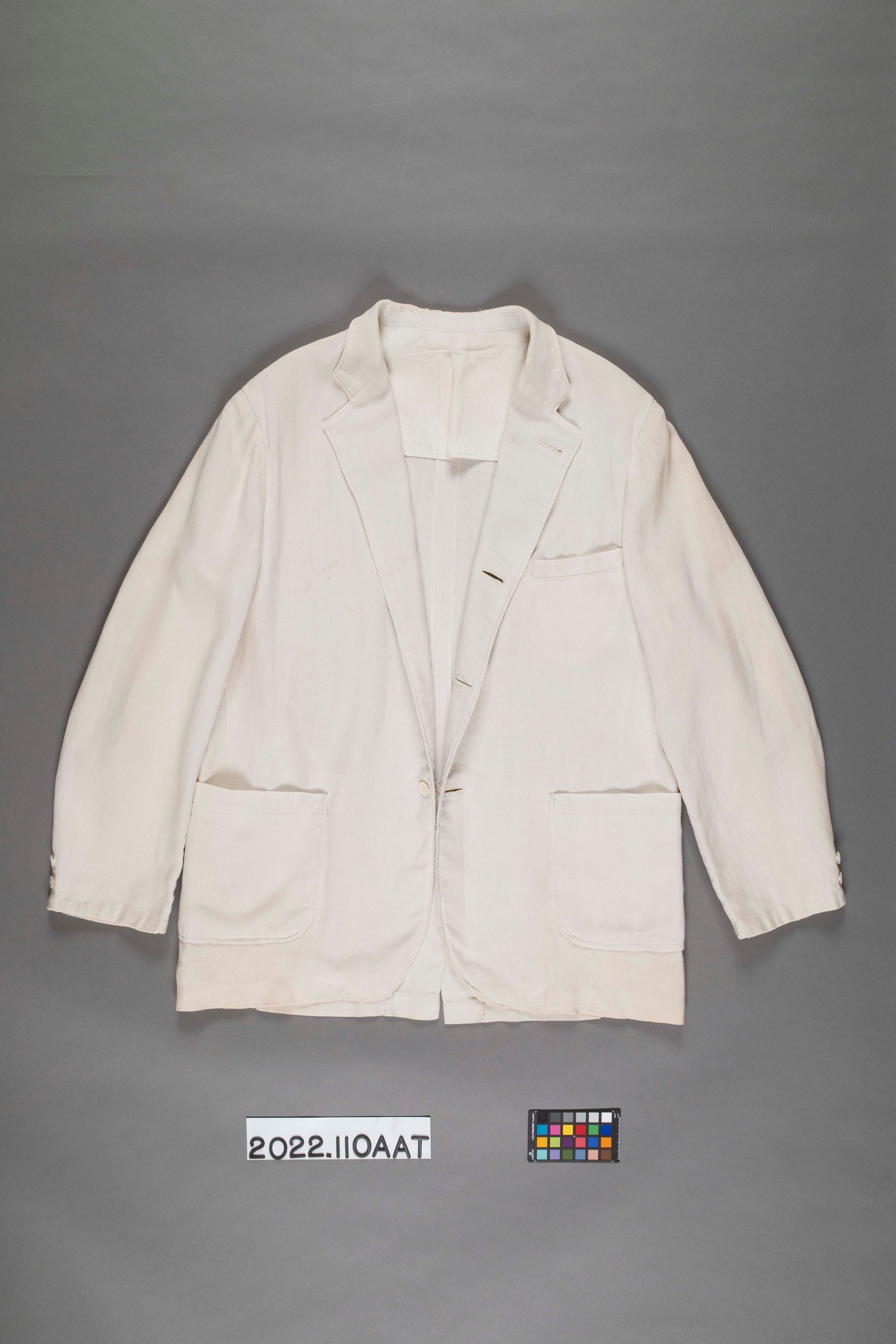
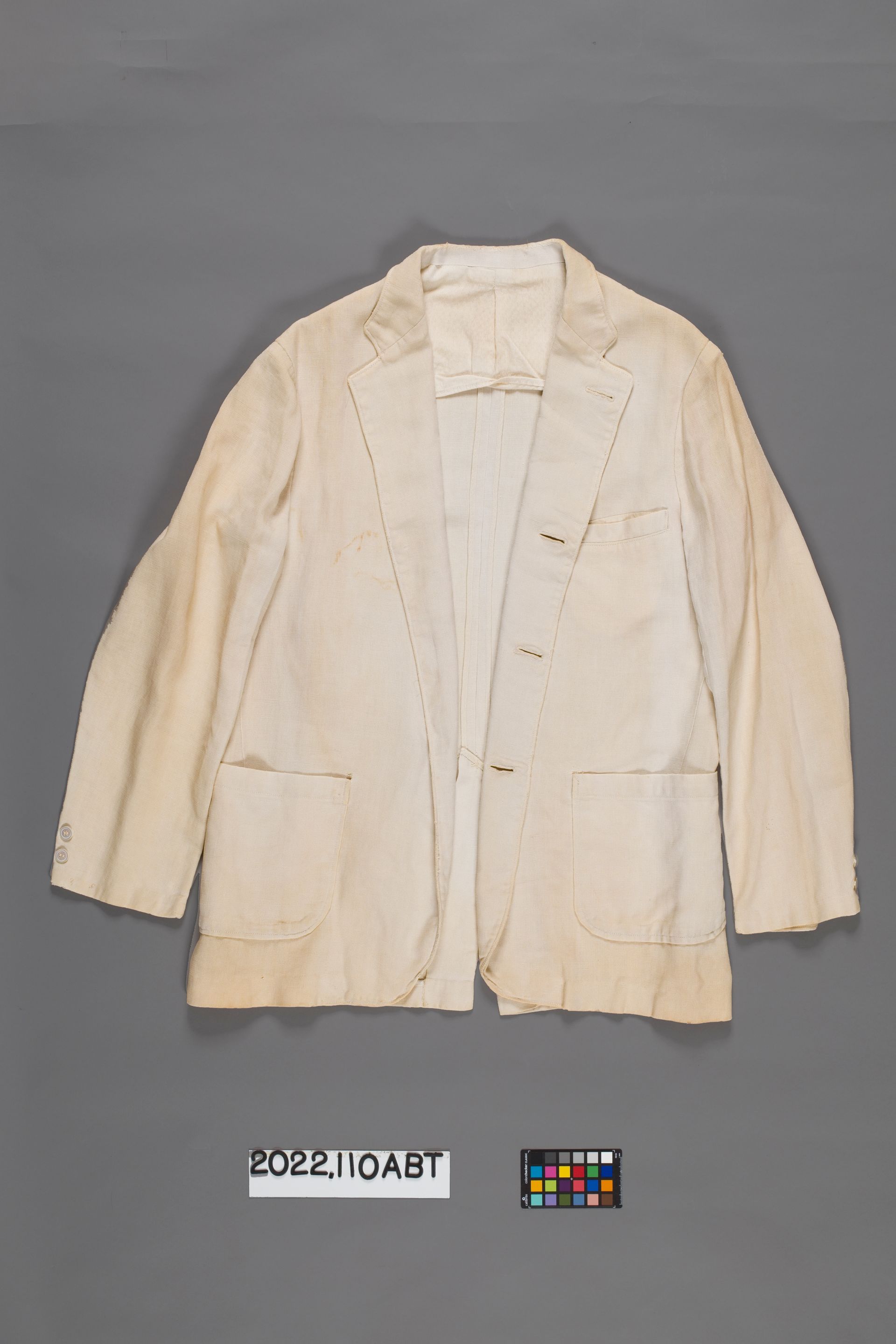
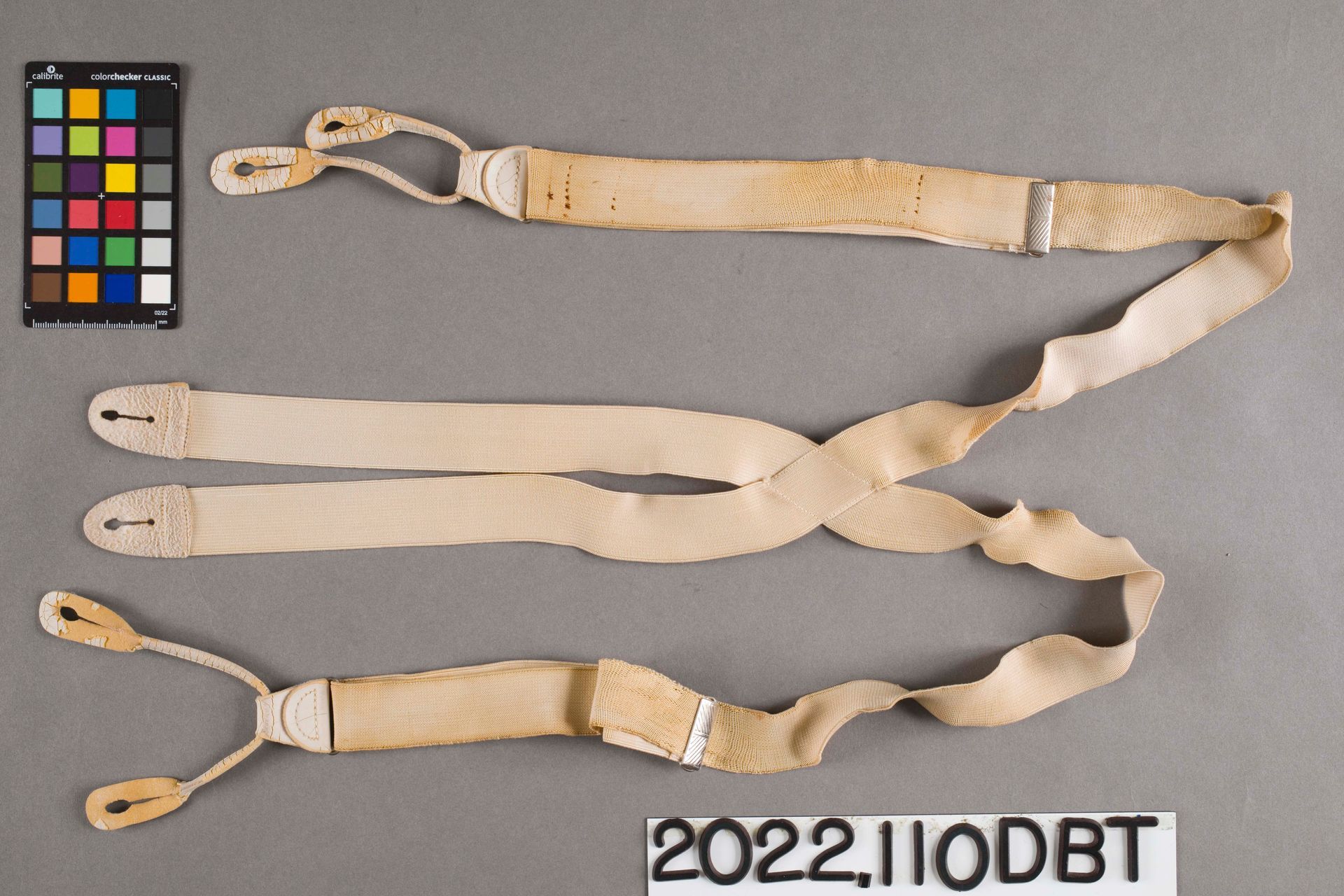
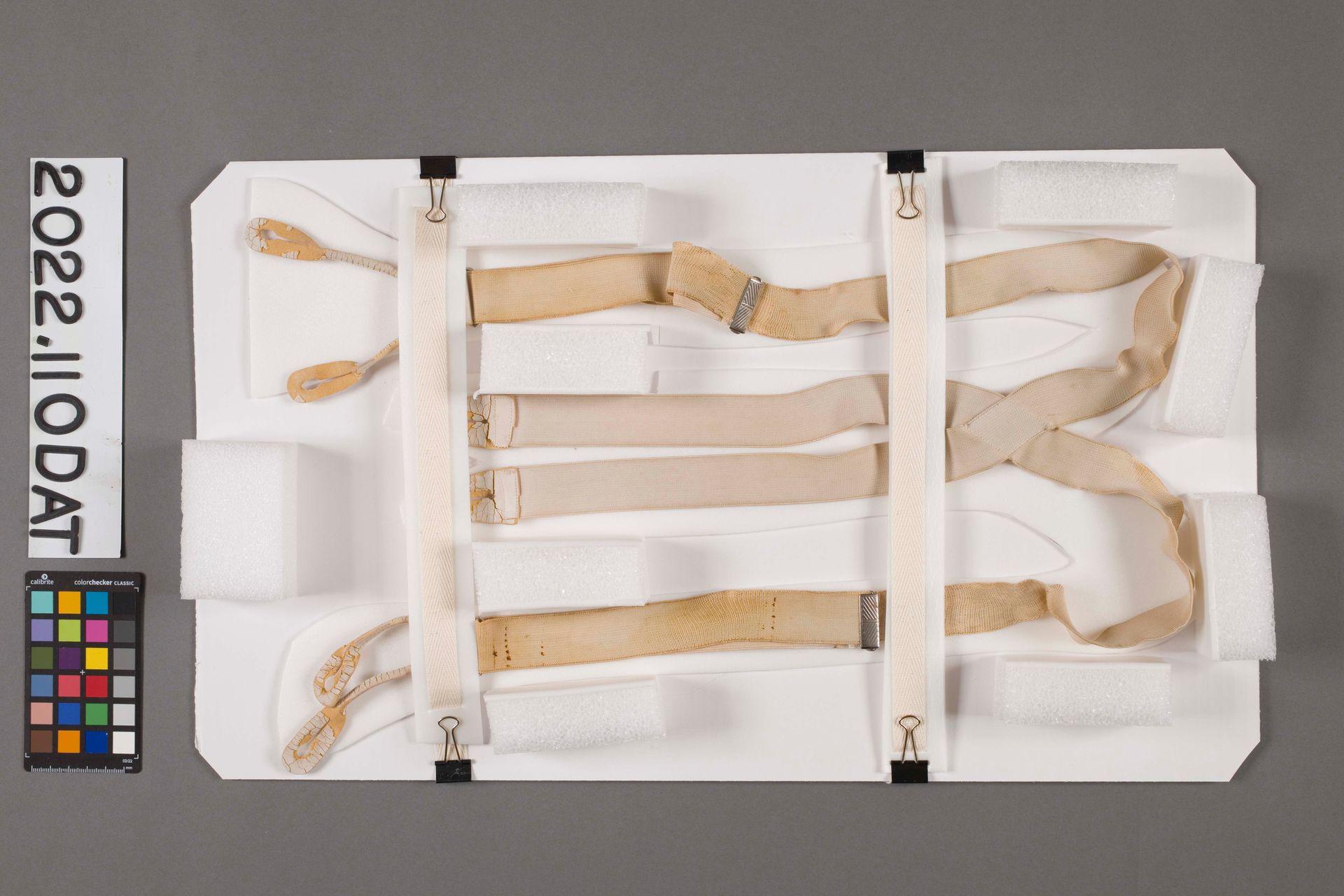
Treatment Summary: The multi-component costume worn by Hal Holbrook in his one-person Broadway production Mark Twain Tonight underwent comprehensive conservation treatment to stabilize materials and preserve evidence of long-term use. The jacket and vest were wet-cleaned and reshaped, while structural weaknesses across the suit were stabilized with reversible stitched and underlay supports, retaining original and historic repairs where stable. Associated elements—including cravats, shoes, suspenders, and wig—were individually treated through tailored approaches such as cleaning, adhesive reduction, consolidation, and custom supports, with priority placed on preserving fragile materials and original appearance. All components were rehoused in custom storage mounts and boxes to ensure long-term stability and safe handling, with display recommendations provided for particularly vulnerable elements.
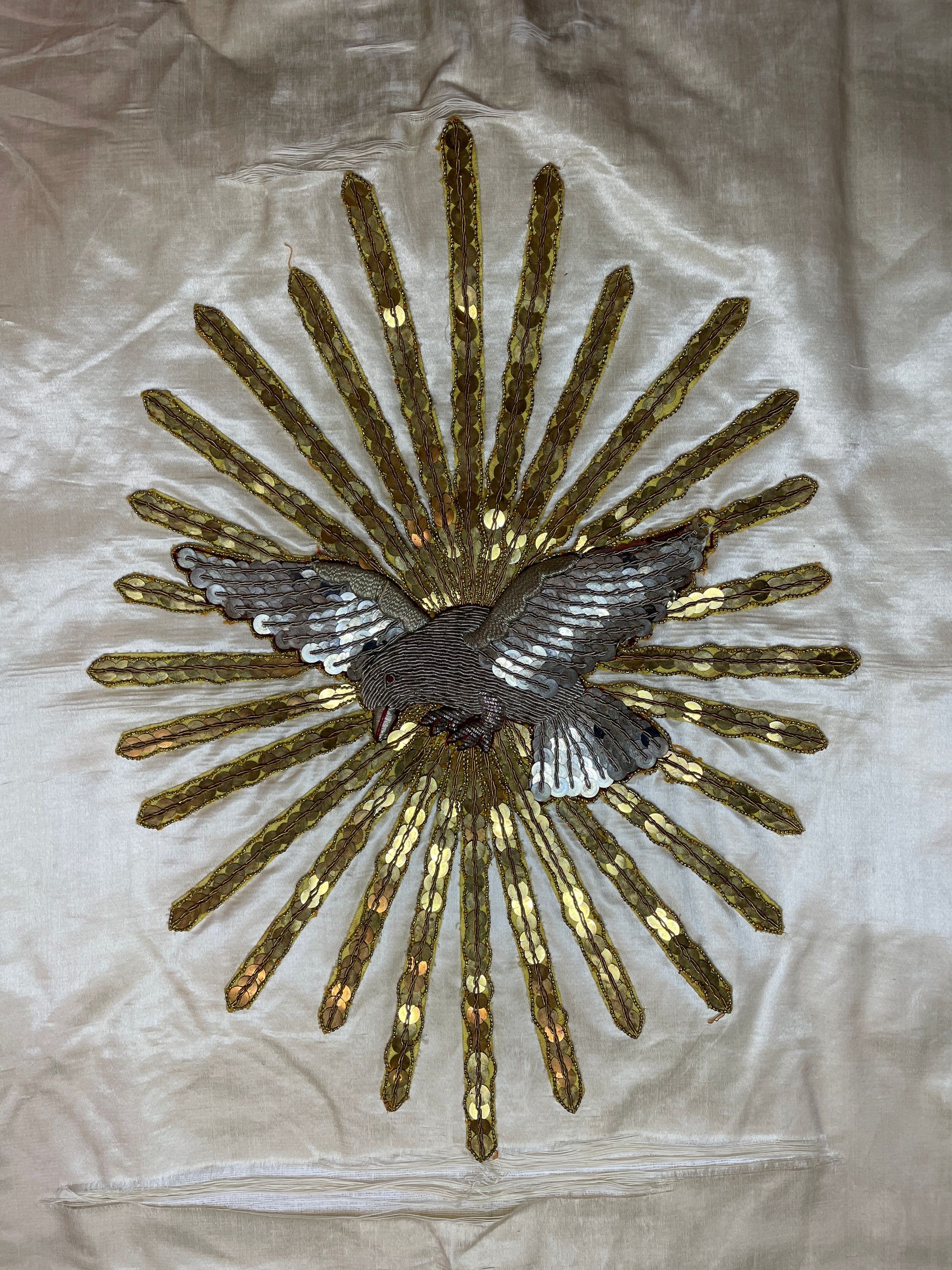
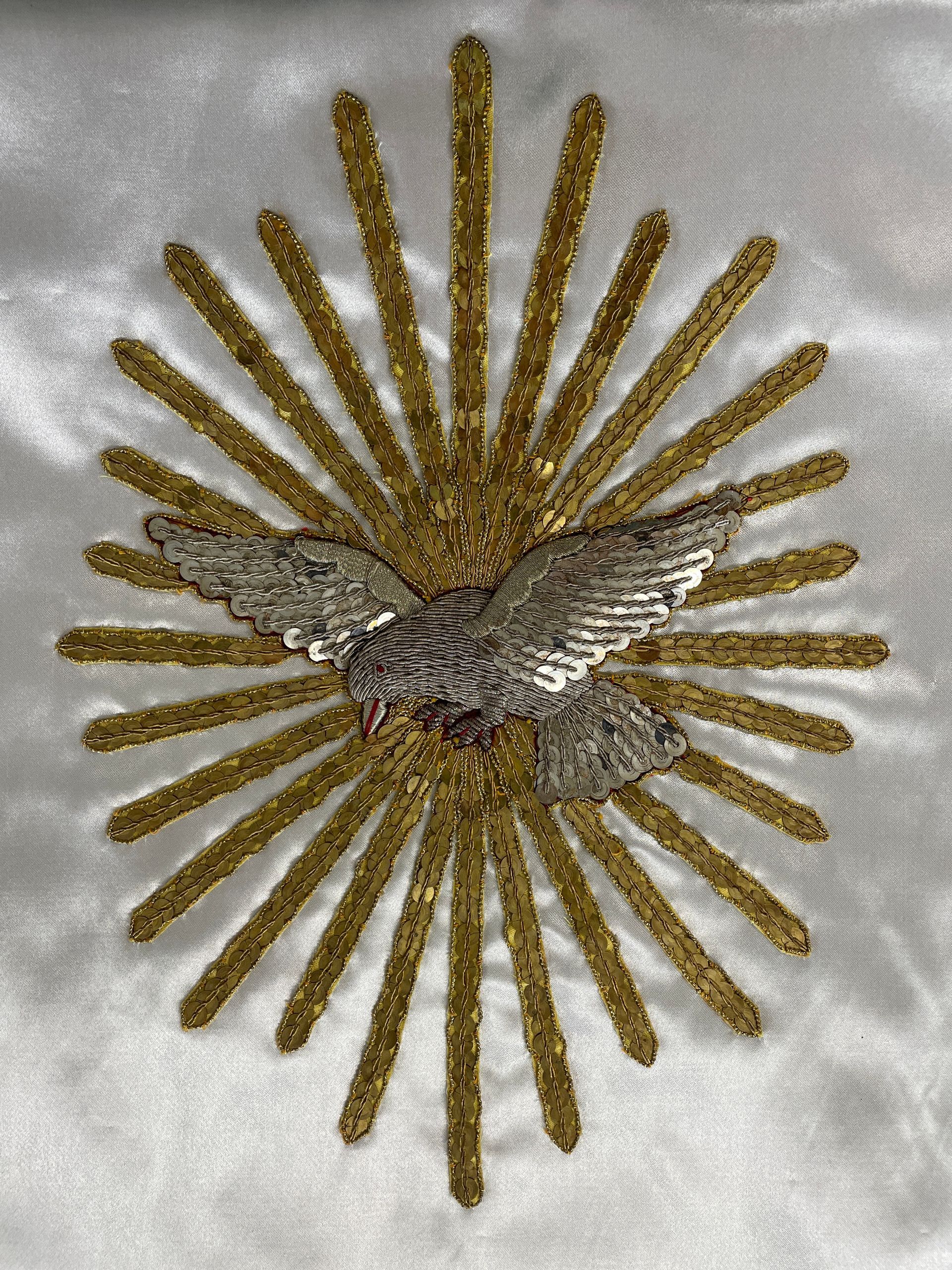
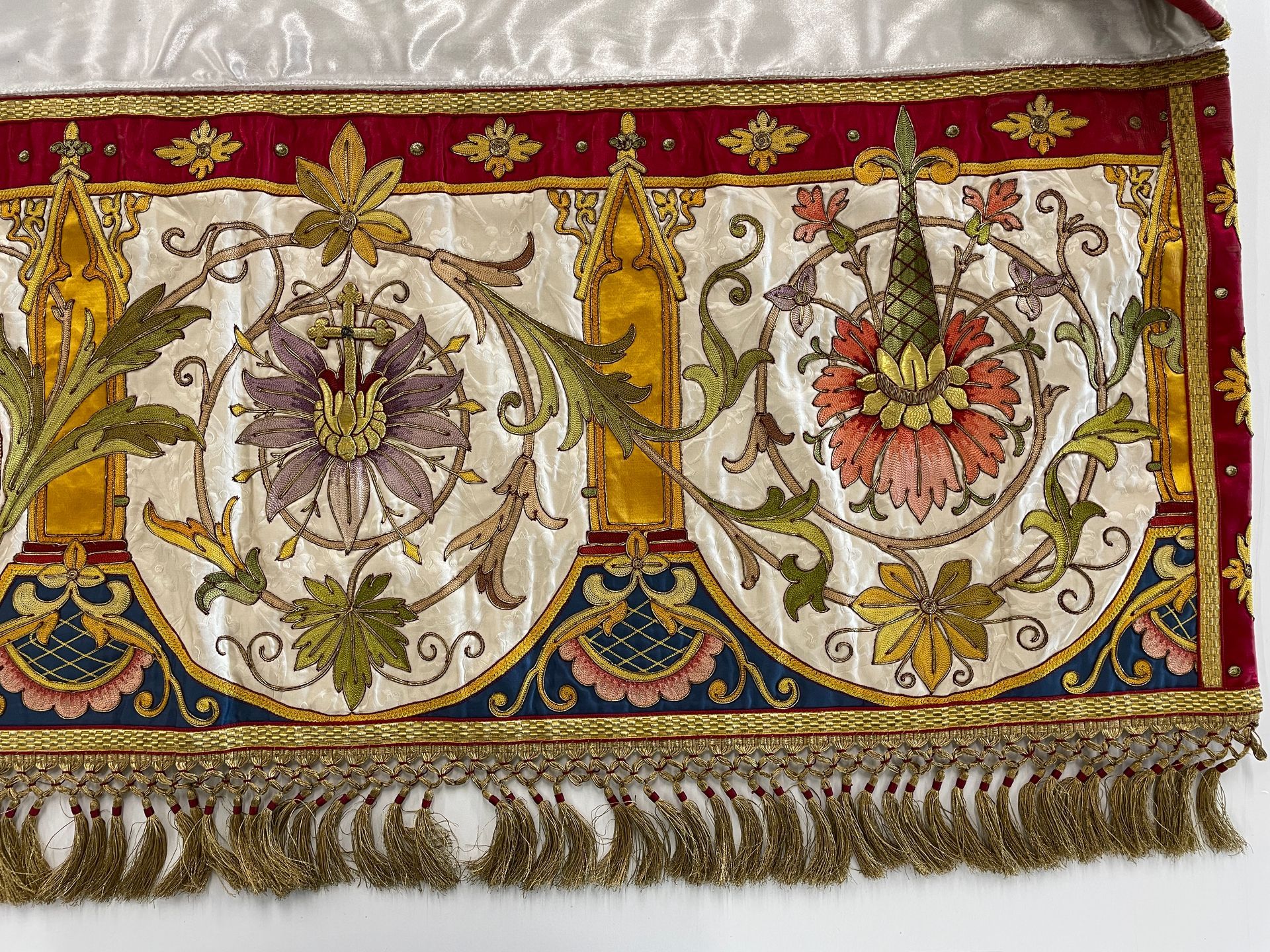
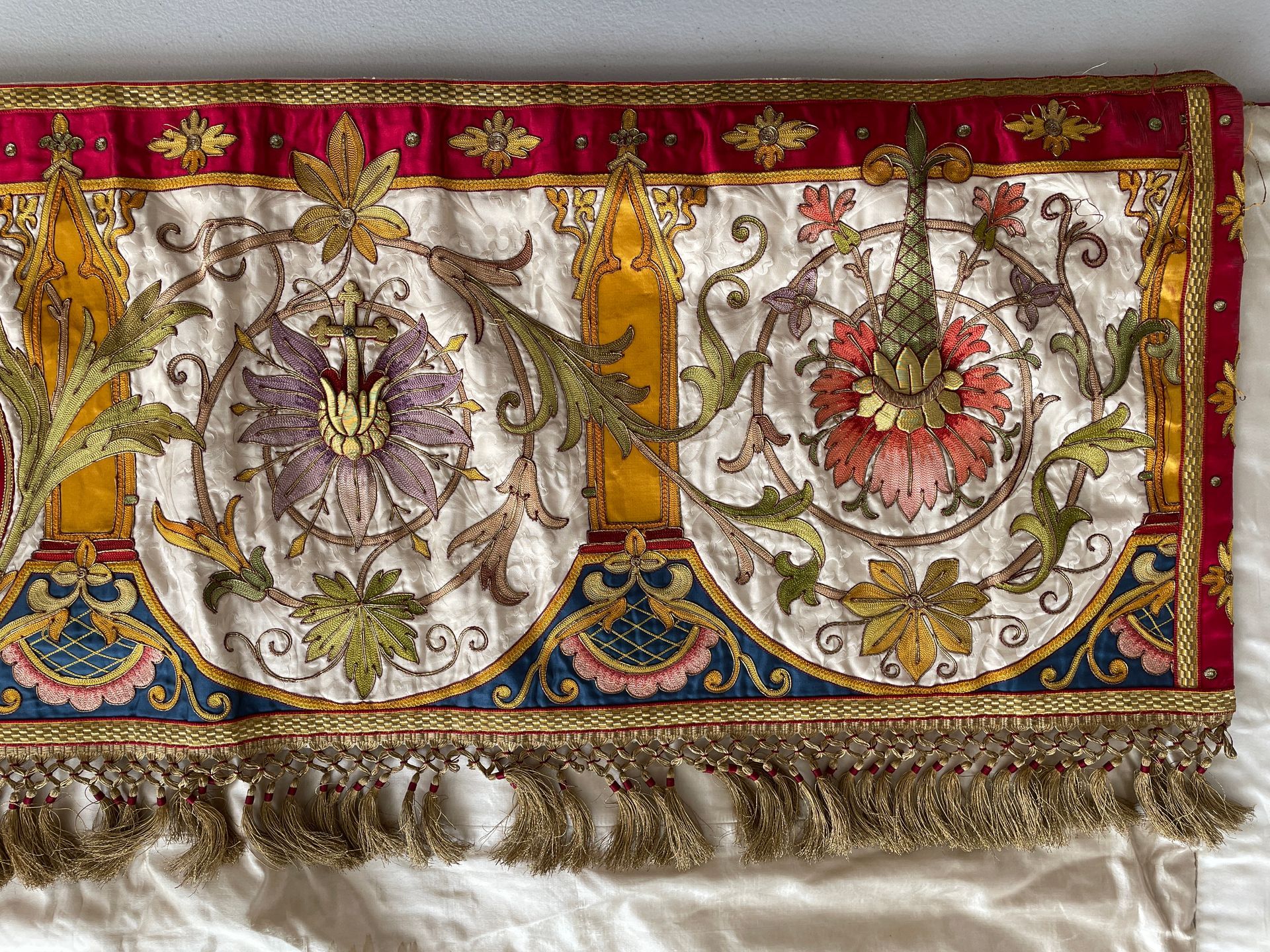
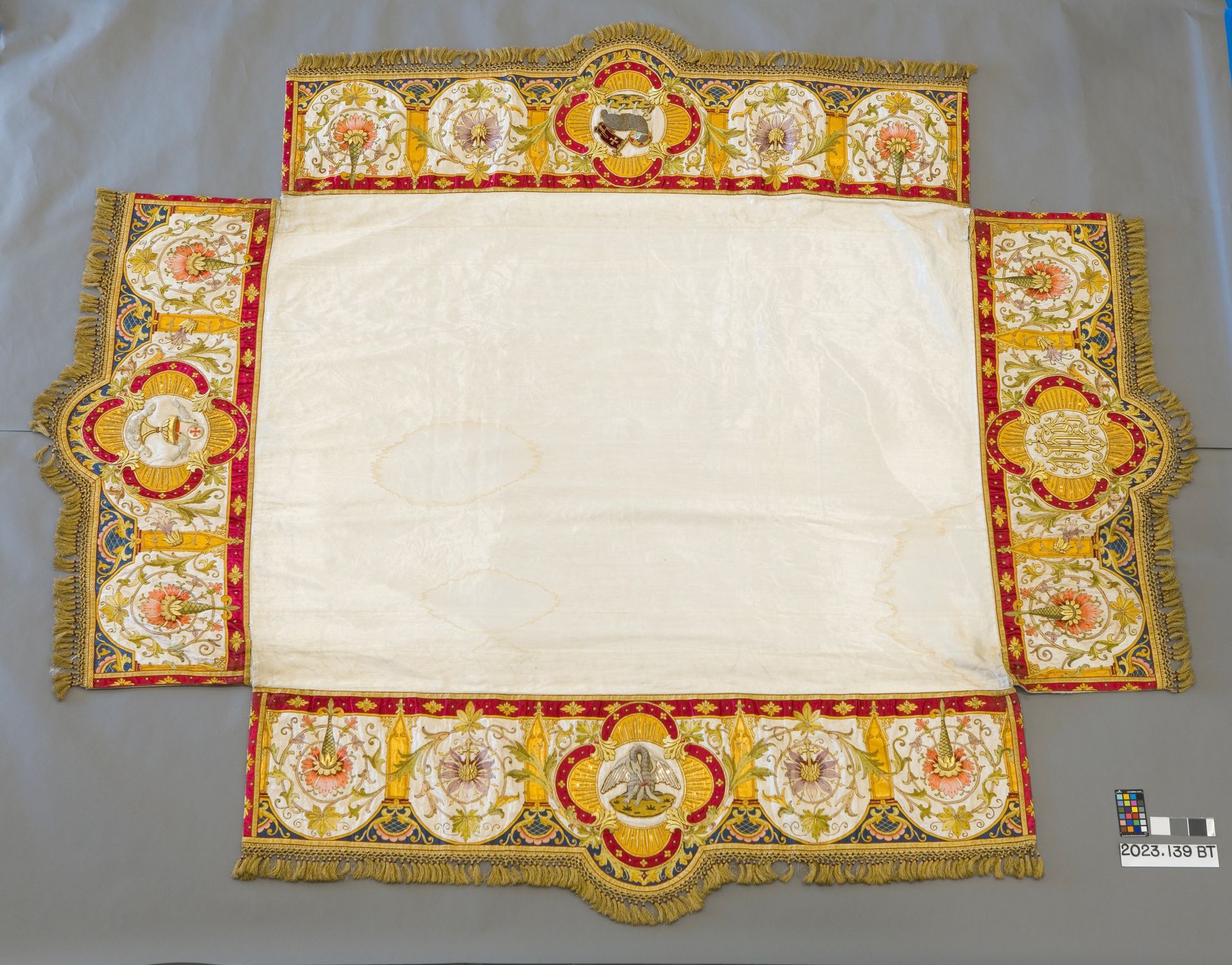
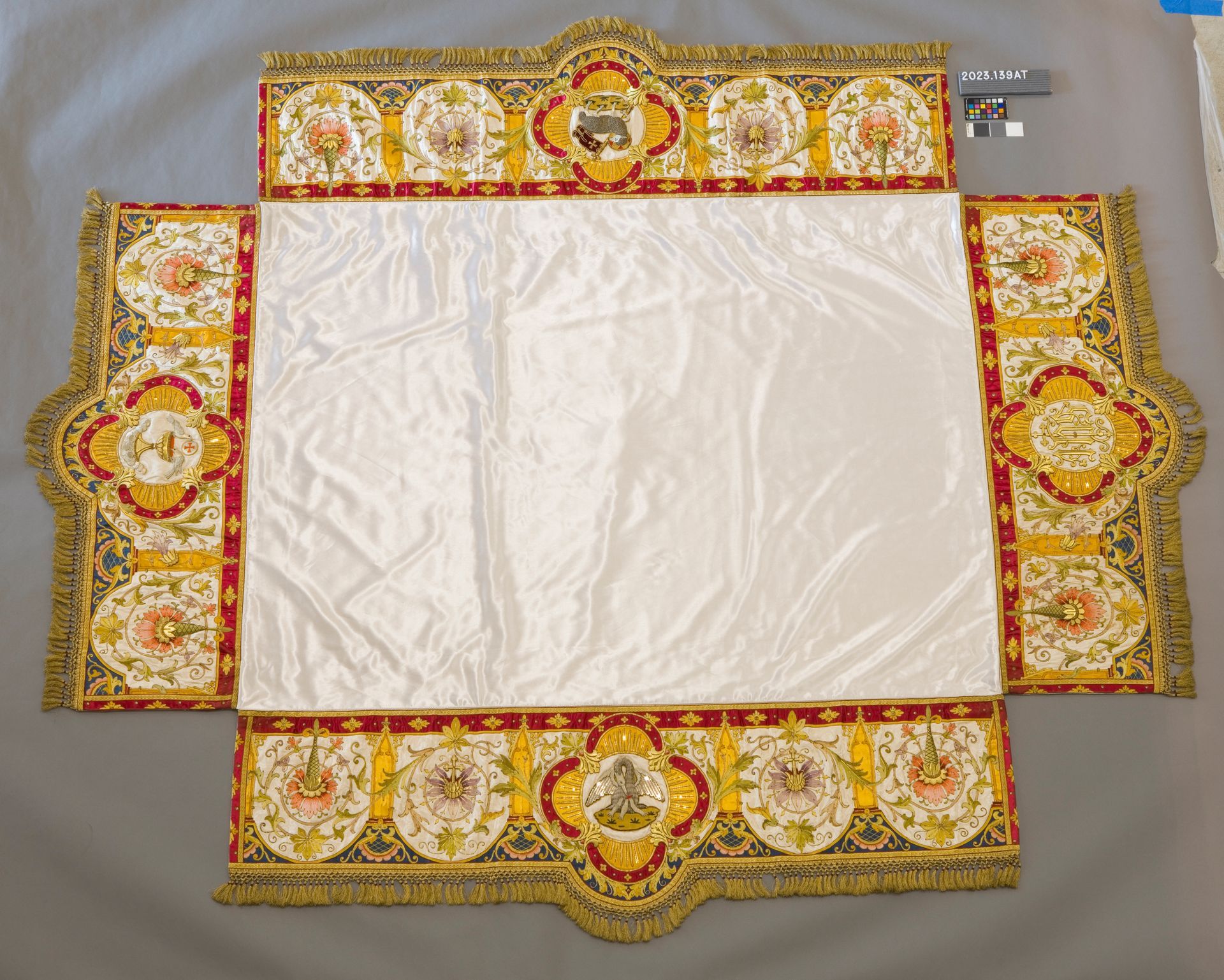
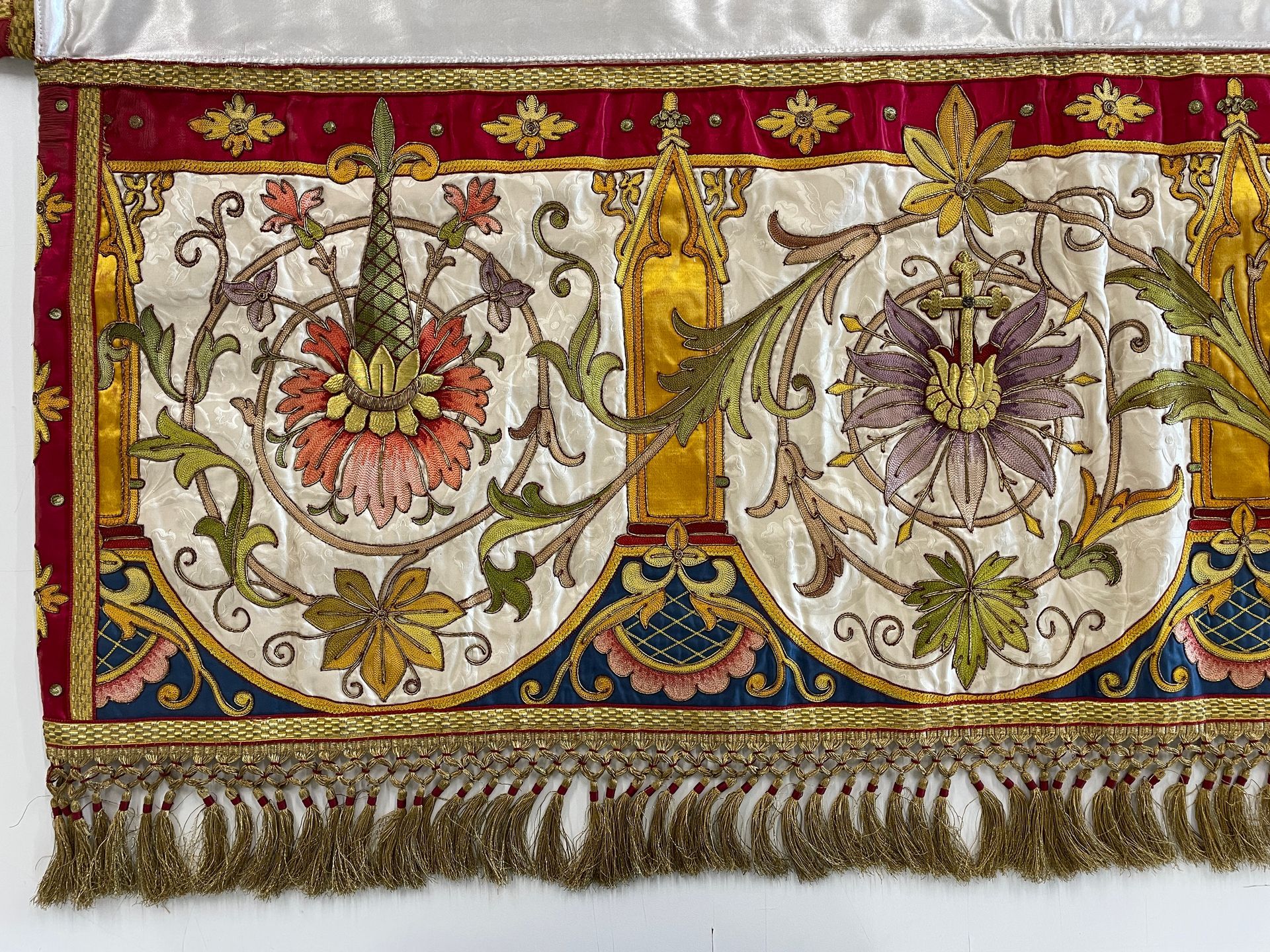
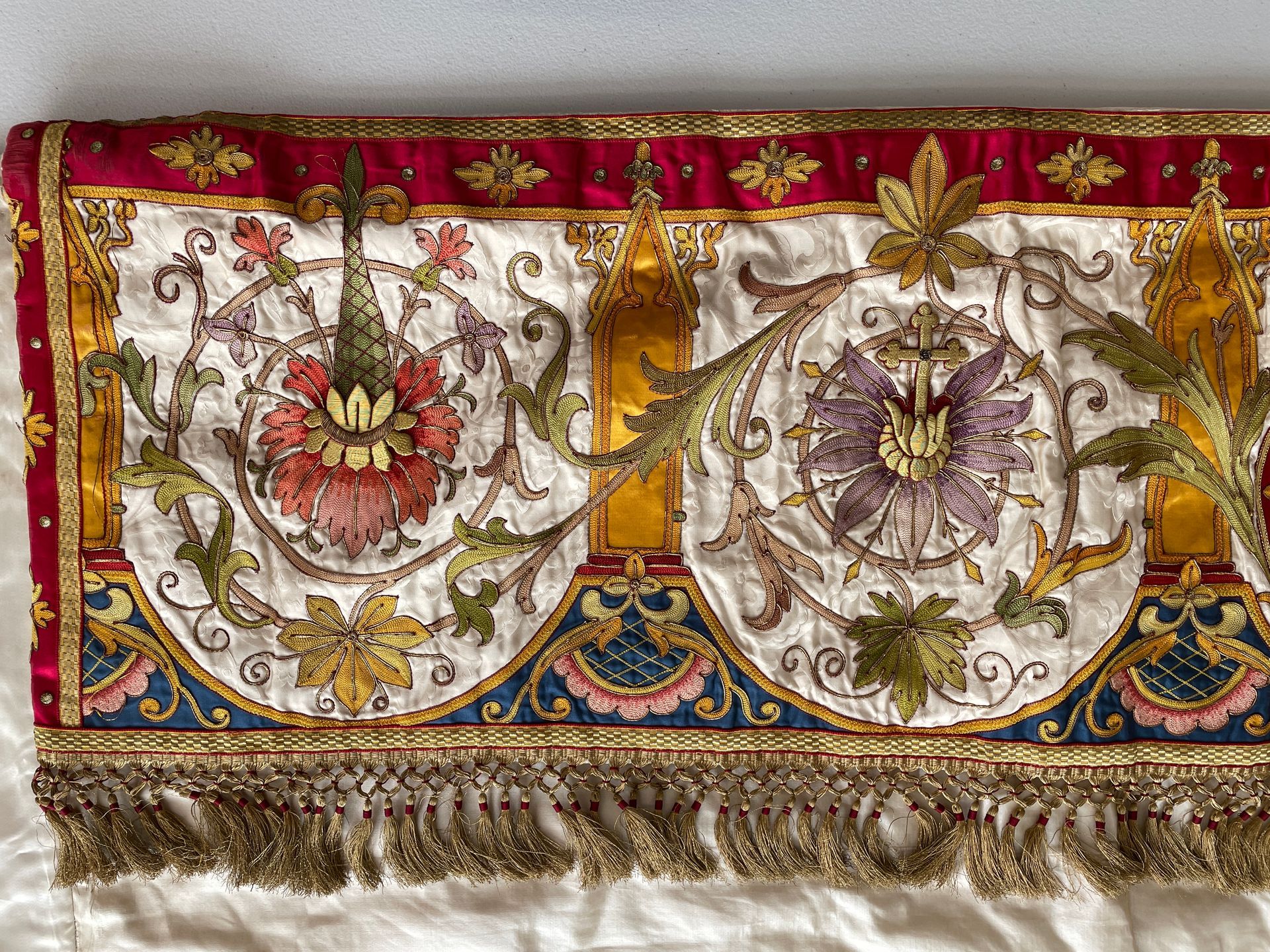
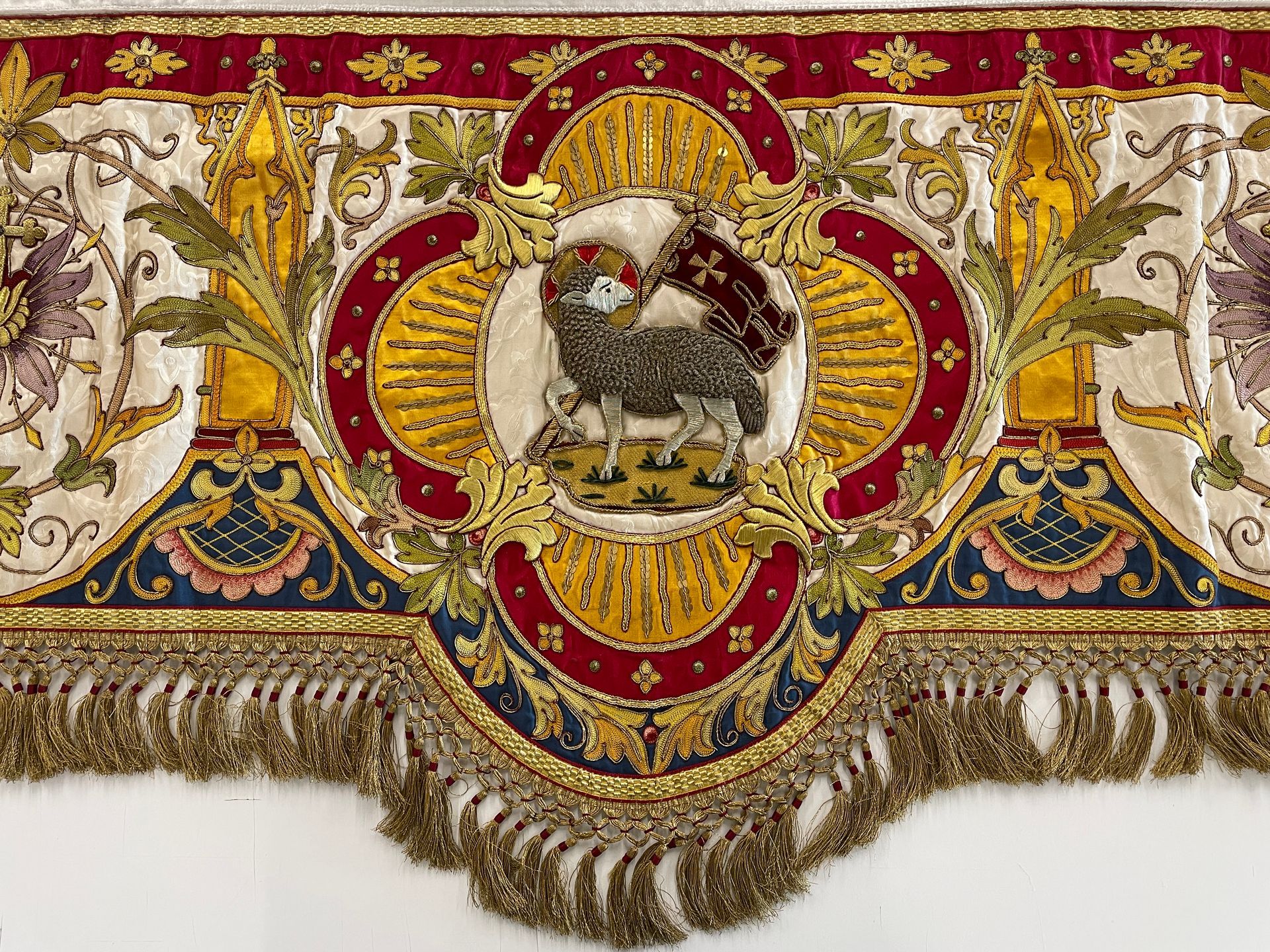
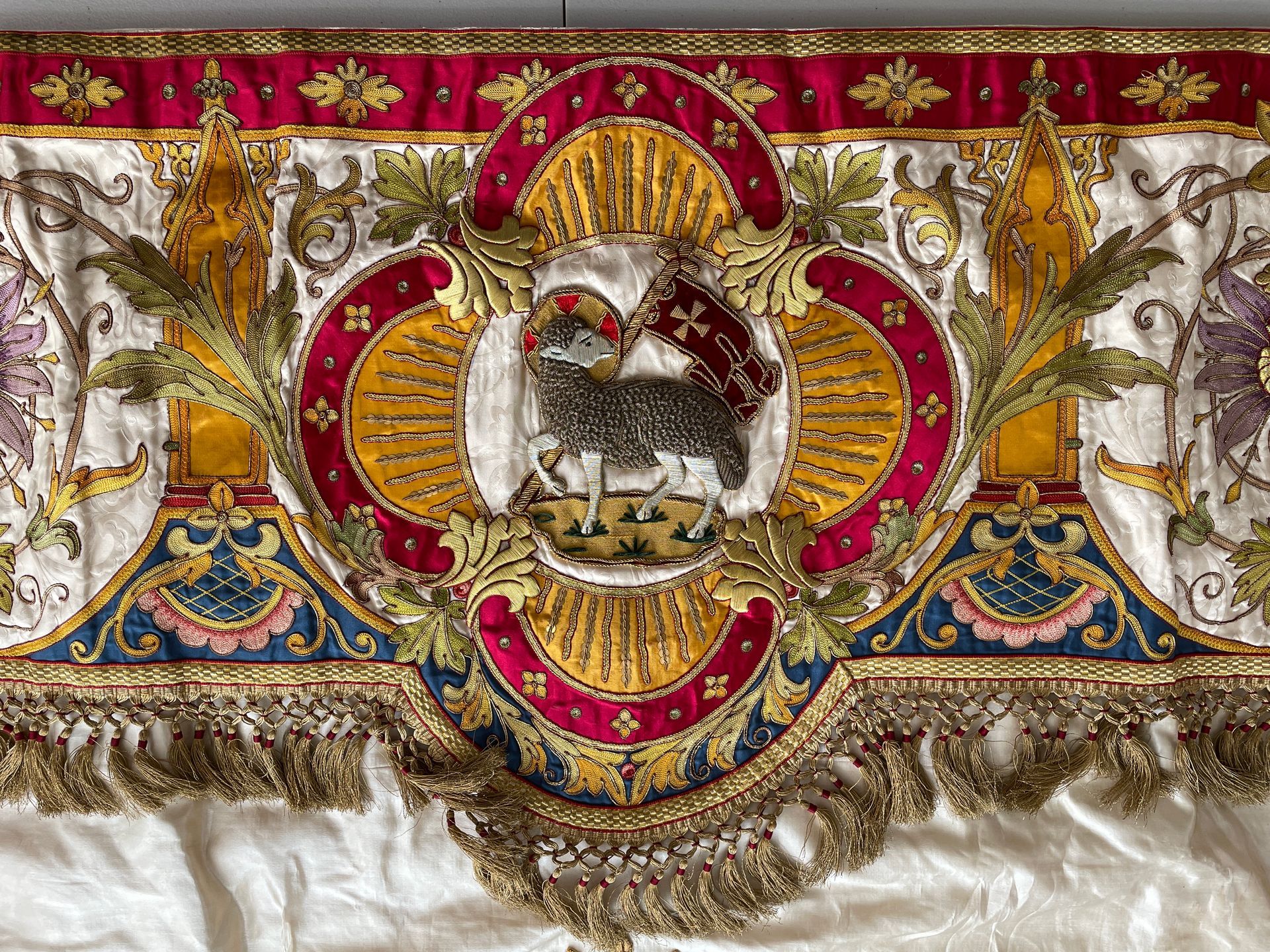
Project Highlight - Baldacchino, early 20th c.
Catholic Diocese of Cleveland
Treatment Summary: This ceremonial canopy from the Catholic Diocese of Cleveland was treated with the primary goal of enabling continued safe use while improving structural integrity and appearance. Treatment focused on stabilizing goldwork embroidery and embellishments and replacing the heavily degraded central panel with a newly constructed, reinforced section using custom-dyed Baronet satin and internal support layers for increased strength and longevity. Original elements, including the dove appliqué and side panels, were retained and reattached, while compromised couching threads were replaced and vulnerable areas secured with supportive overlays and stitching. The canopy was rehoused in a custom storage and transport system with detailed handling guidelines
Quote:
Emily Ahlin, Director of Archives for the Catholic Diocese of Cleveland, relayed, “We were really pleased with the final result - the baldacchino was vibrant before, and now it is even more striking without all the stray threads hanging all over the place! It is also much sturdier, and I am more confident in how to properly store it when it is not in use. It will last well into the future thanks to the work completed by the ICA.”
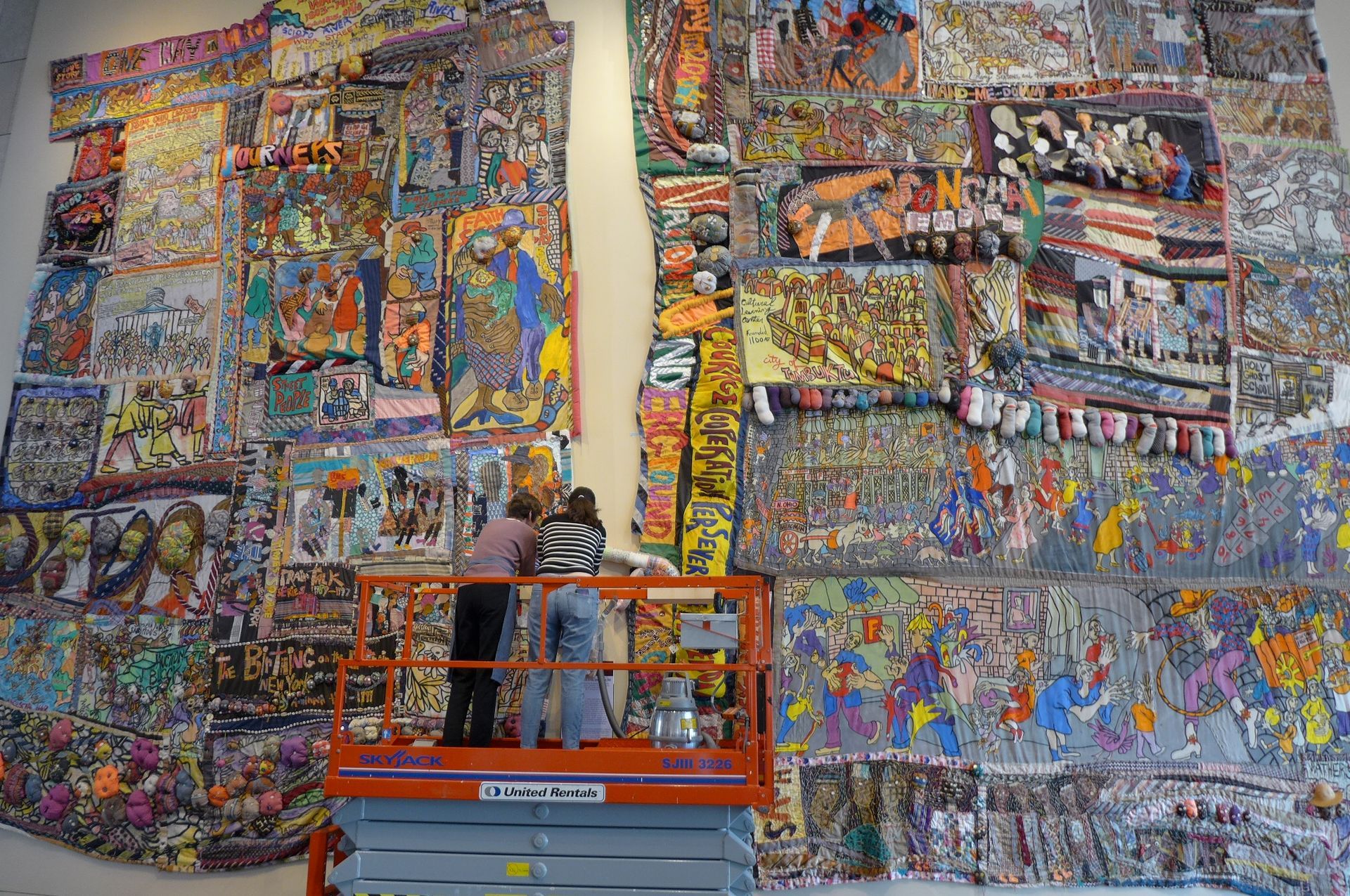
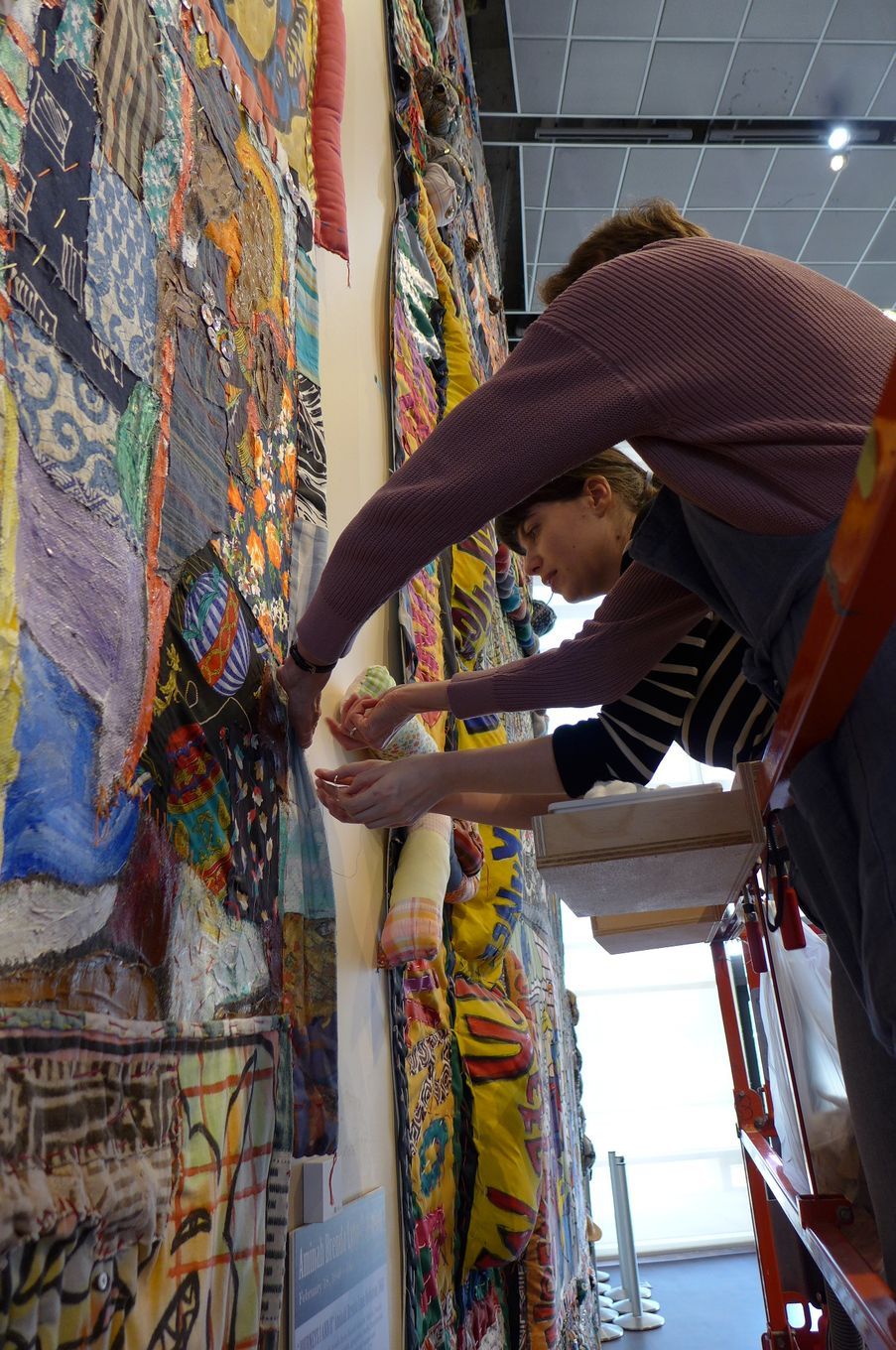
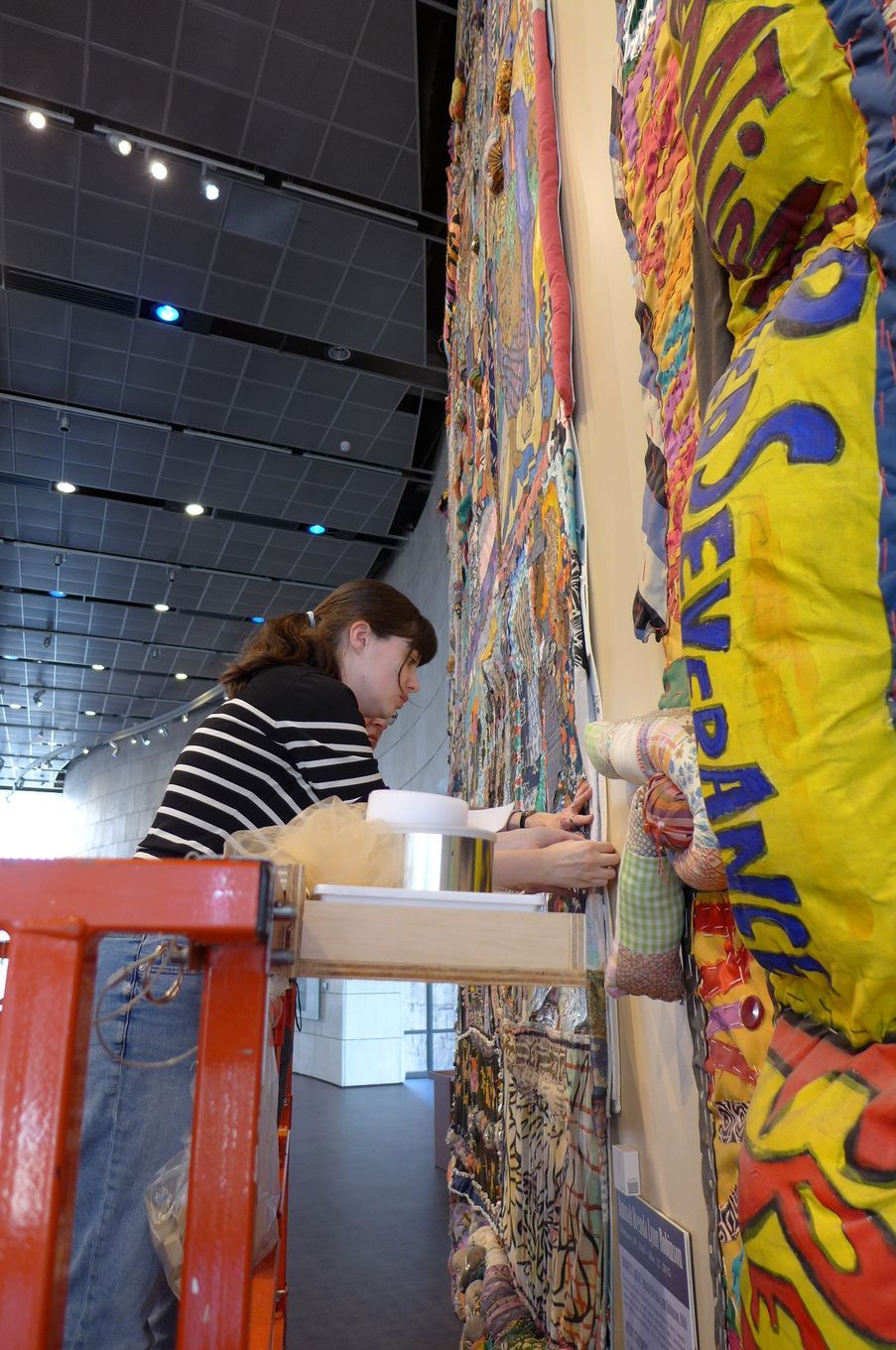
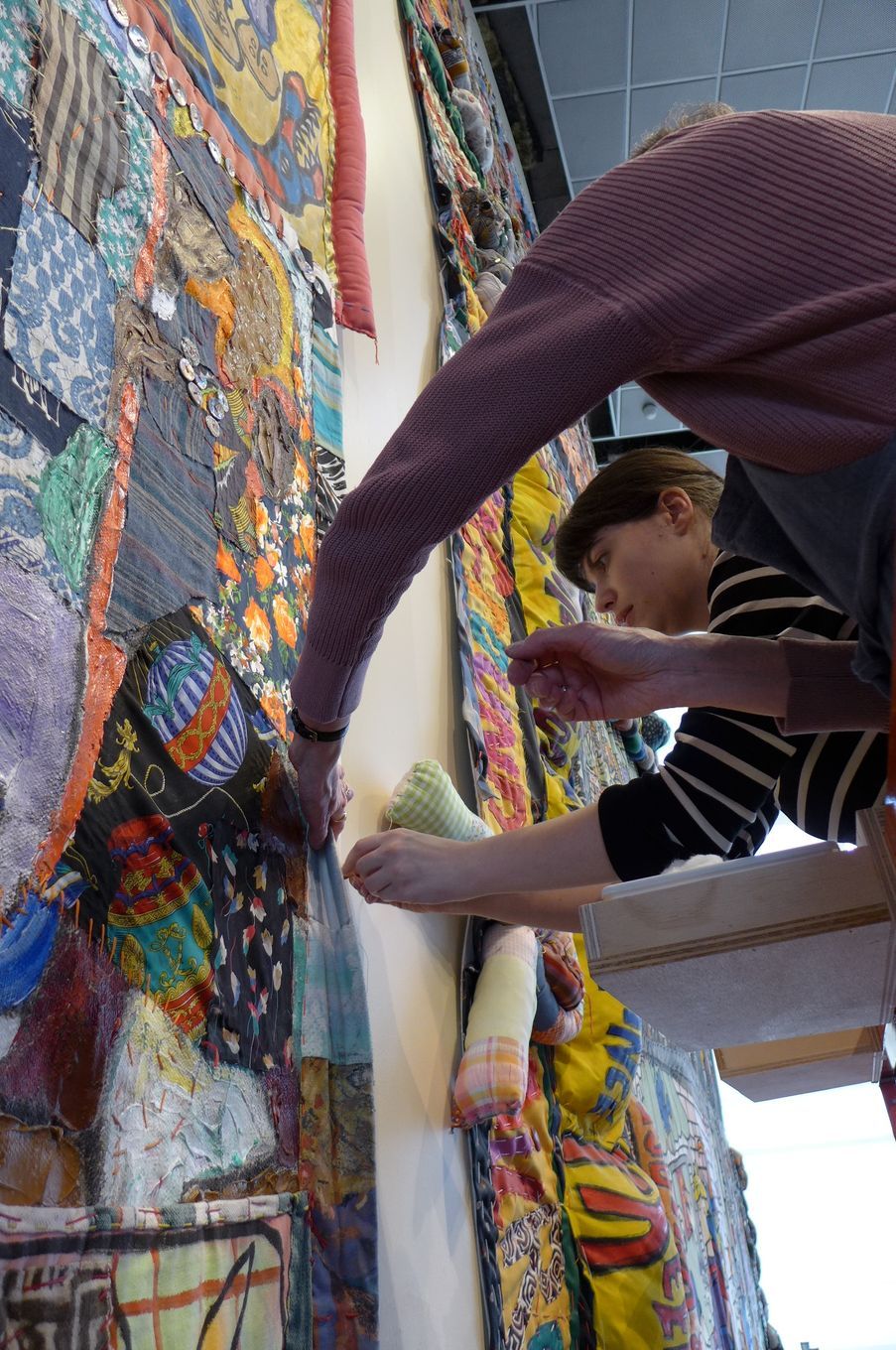
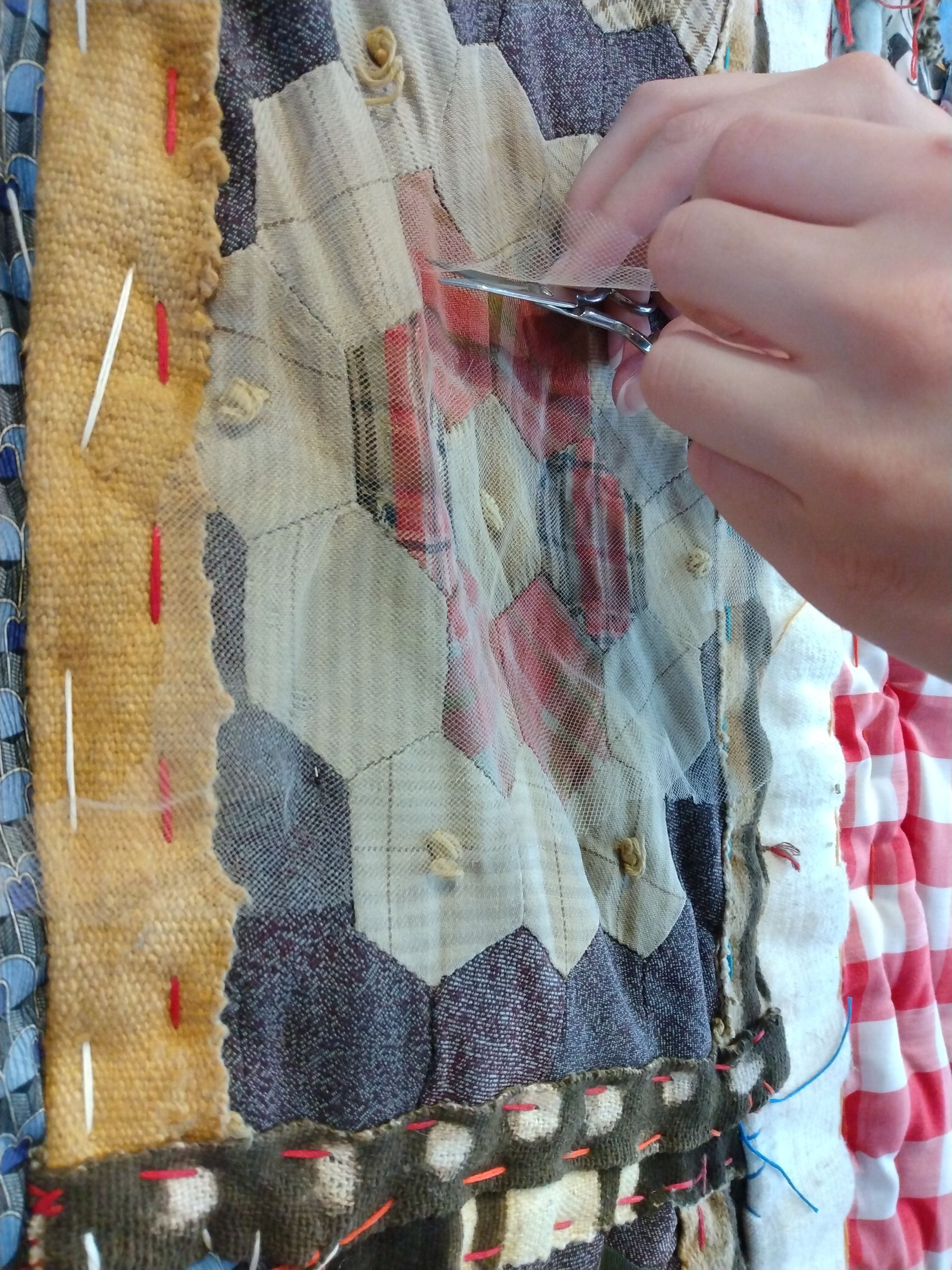
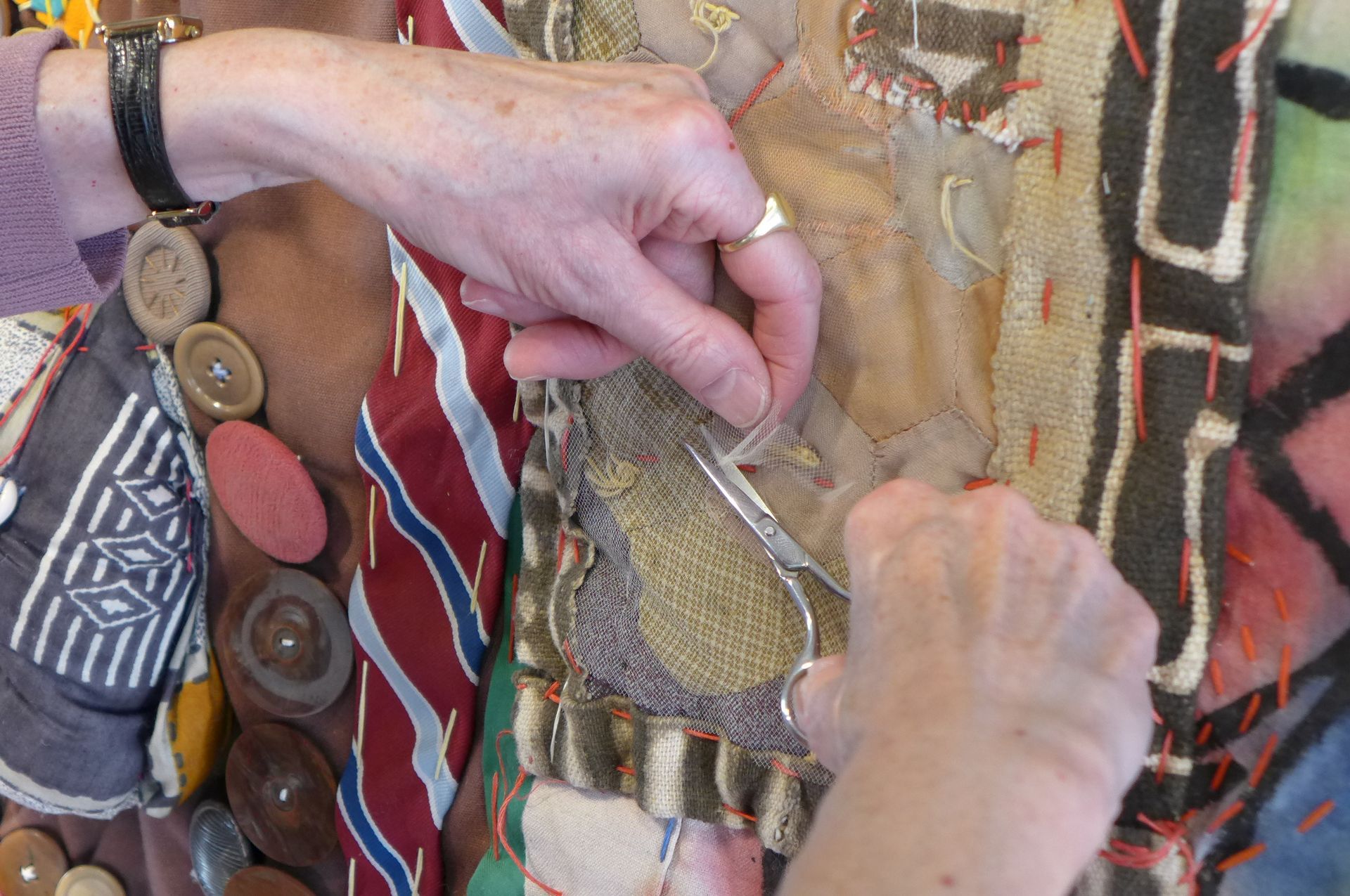
Project Highlight - Aminah Brenda Lynn Robinson, RagGonNon, c. 2004, mixed media textile
National Underground Railroad Freedom Center, Cincinnatti
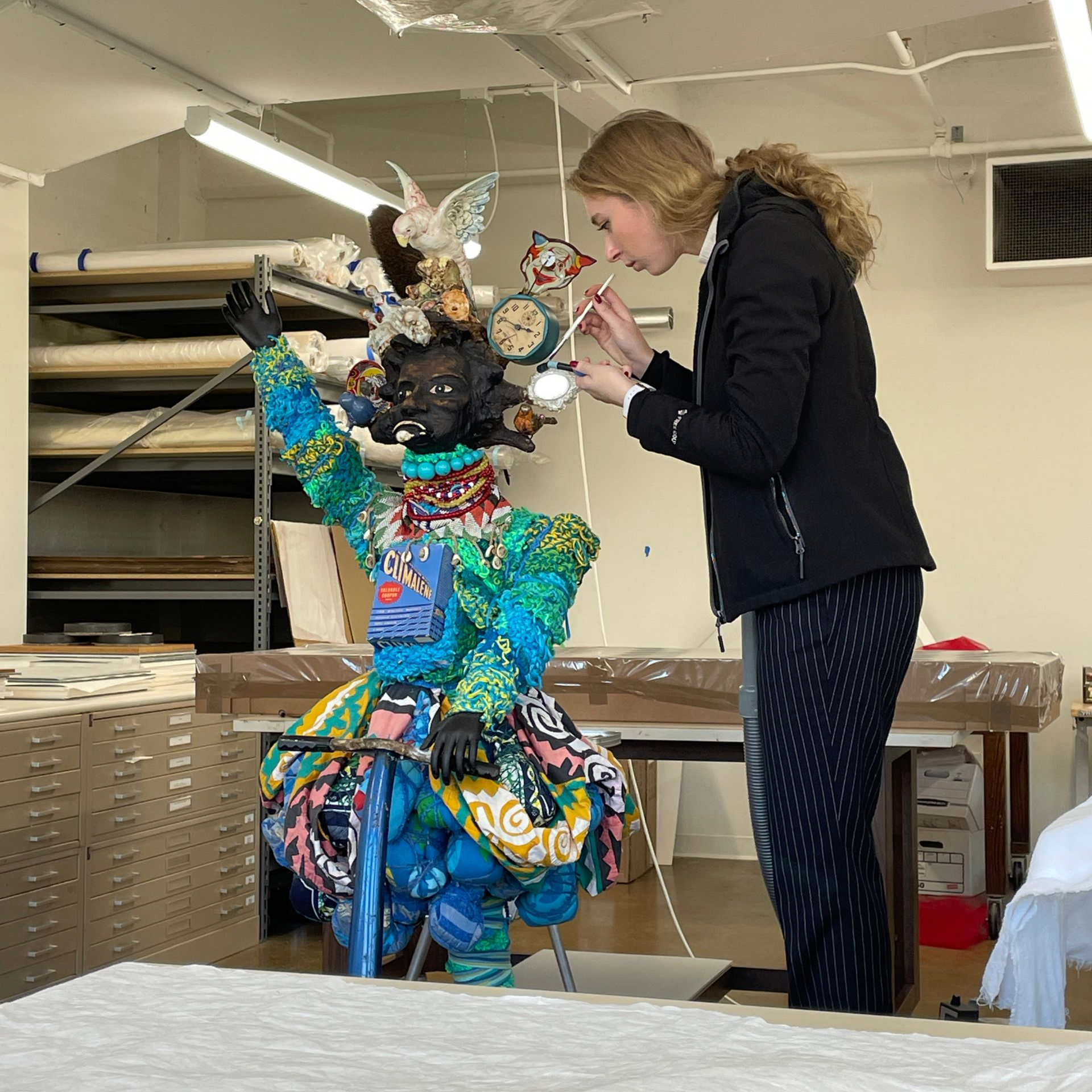
Treatment Summary: The two-part textile artwork RagGonNon, comprising Journeys I and Journeys II, at the National Underground Railroad Freedom Center was treated over 11 days by two conservators, with the primary goals of cleaning and stabilization. Surface cleaning was carried out using soft brushes, HEPA-filtered vacuuming, and cosmetic sponges, significantly reducing accumulated dust and particulate soiling while protecting fragile elements. Minor structural issues were addressed through localized maintenance, including reinforcement of an open seam with stitched netting and consolidation of lifting paint with conservation adhesive. Areas of light-induced fading and embrittlement were documented and left untreated, as the damage is irreversible, and recommendations were made for long-term preservation and display.
Regional Reach
Rooted in Cleveland, Serving the Midwest—and Beyond
Our team works with museums, historical societies, universities, and private families across Cleveland, Columbus, Cincinnati, Pittsburgh, and Indianapolis. Whether a banner from a neighborhood parade in Gordon Square, a quilt from German Village, or a regiment flag on Pittsburgh’s North Shore, we coordinate shipping and on-site options to meet the needs of both institutions and households.
FAQ: Answers to Common Textile Conservation Questions
Can old garments or flags be cleaned safely?
Many can, following dye testing and fiber evaluation. When safe, wet cleaning reduces yellowing and soils. If not, we use dry or solvent cleaning and meticulous surface methods to remove dust and residues.
How do you repair tears and weak areas?
Stabilization may include sheer overlays, hand stitching, and backing supports that carry stress away from the damage. For quilts or banners, we perform quilt repair and edge reinforcement to keep weight distributed and prevent further damages.
What if a textile has beads, metal threads, or leather trims?
Mixed materials are addressed within the overall plan, with careful cleaning and stabilization for non-fabric components. When needed, we coordinate with our objects team for compatible methods to produce the best results for your item.
How should I store a wedding dress or heirloom textile?
Our team recommends you use archival housing, like acid-free boxing and tissue padding. Avoid attics and basements, and refold periodically to reduce crease memory. We can provide packing and storage guidance tailored to your item.
Do you work on murals or large fiber pieces that can’t travel?
Yes. We offer on-site options for oversized or fragile works, planning treatment and environmental controls to suit the location.