Preserving Sculptures, Ceramics, Wood & More
Objects Conservation for Museums, Communities & Families
ICA’s team provides professional objects conservation for three-dimensional artworks and artifacts, from bronze sculptures and historic furniture to delicate ceramics, glass, and mixed media. Our team performs hands-on conservation and preservation treatments that stabilize and protect what matters most to you.
Materials We Treat
Metals, Ceramics, Stone, Wood, Glass, Mixed Media, & More
We treat a wide range of materials and finishes commonly found in museum, historical society, university, and private collections across Ohio and the Midwest. Metals (bronze, copper alloys, silver) often arrive with corrosion or failing coatings; ceramics and glass may need reassembly after breakage; stone and plaster require cleaning and stabilization; wood, leather, bone, and other organics can show cracks, surface loss, or pest damage; plastics and contemporary composites benefit from gentle cleaning and stabilization tailored to their chemical makeup and unique patterns of deterioration.
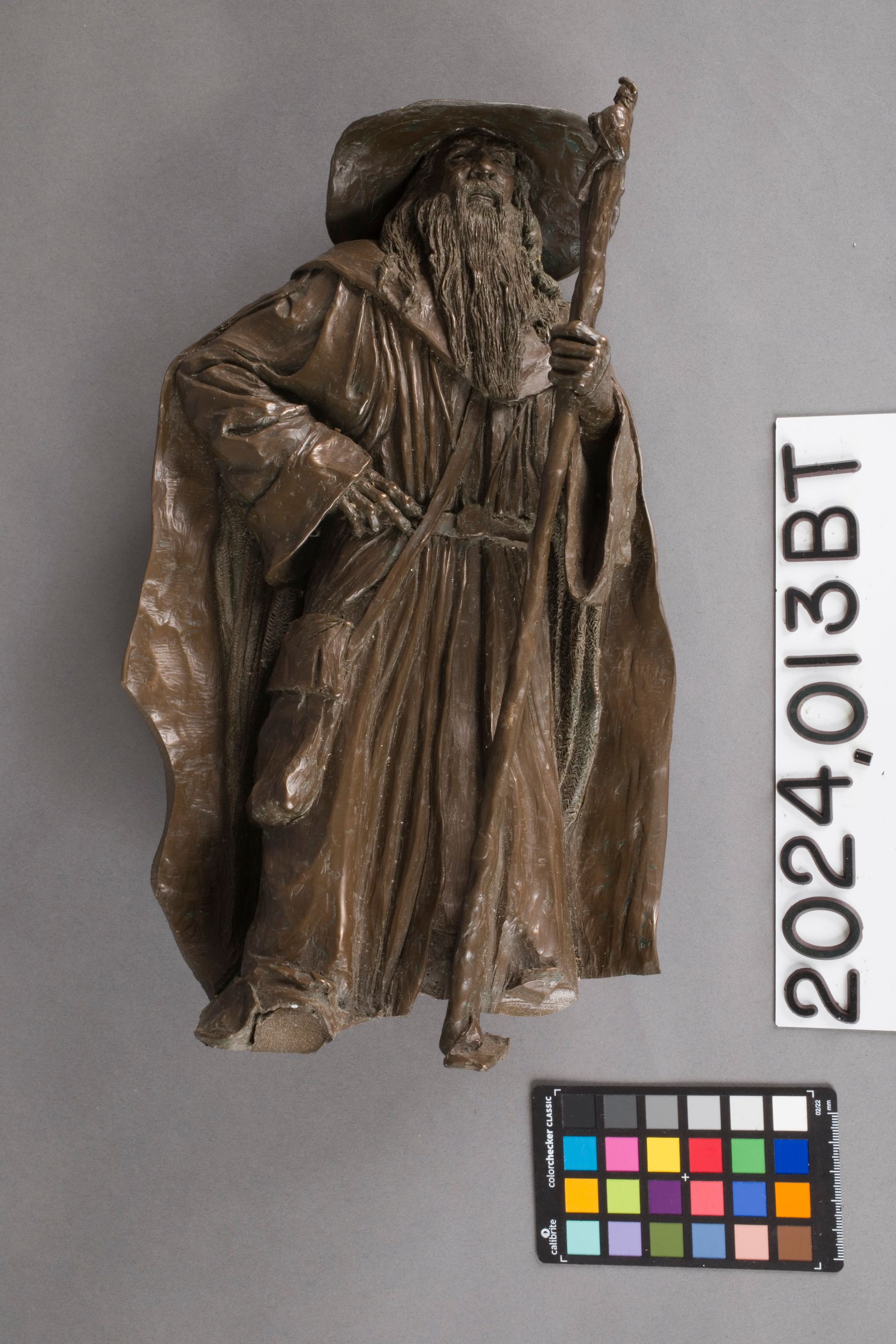
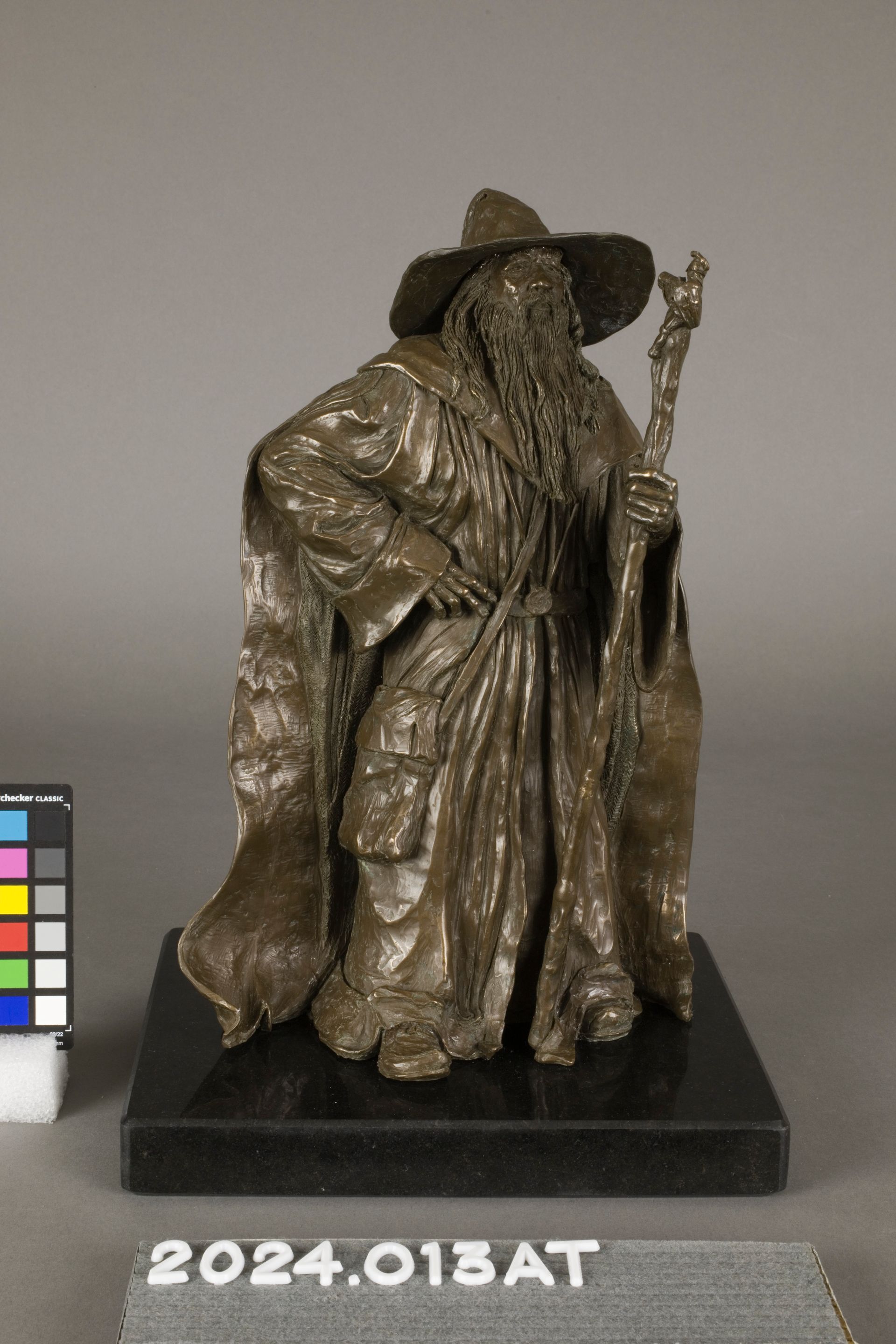
ICA-Art Conservation summoned more magic than all five wizards of Middle-Earth combined to bring this Gandalf back to life! Originally, this statue was in worse shape than when Boromir was full of arrows. Now I cherish this work of art even more than the One Ring. I could not be a happier Hobbit!
-Jake Rupp
Antiquities, artifacts, and everyday material culture
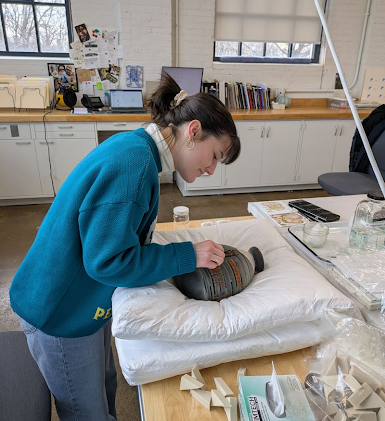
Objects conservation encompasses the treatment and long-term preservation of three-dimensional artifacts across a wide range of historic and contemporary materials. Our conservators provide tailored care for collections held by museums, historical societies, universities, and private collectors, addressing issues such as grime accumulation, corrosion, structural instability, surface loss, and failing finishes.
Read More
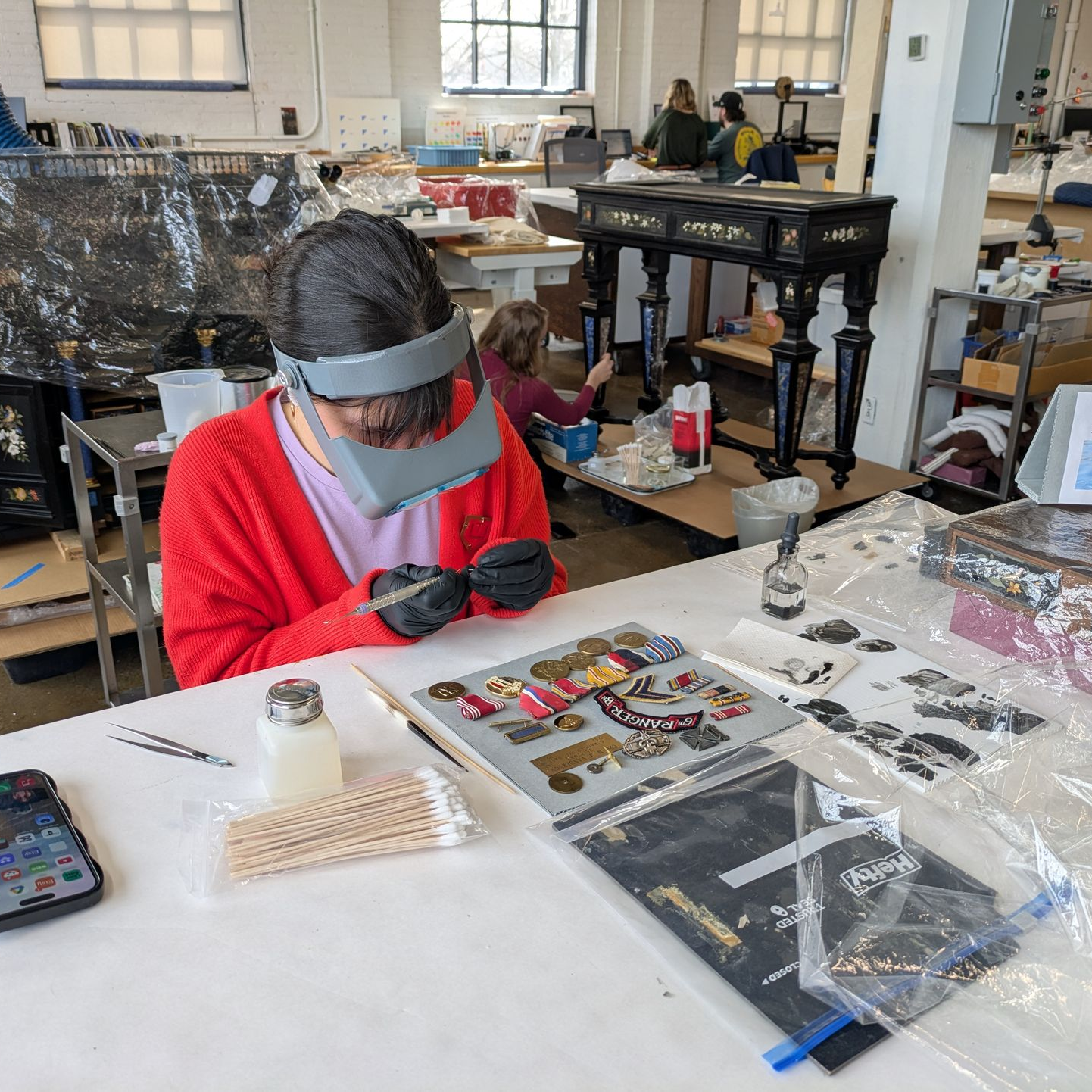
Typical treatments may include careful surface cleaning, corrosion reduction on metals, reassembly of broken ceramics or glass with conservation-grade adhesives, stabilization of flaking paint or gilding, fills and color integration for areas of loss, and the creation of custom mounts and supports for safe display and storage. We work with materials including bronze, silver, ceramics, glass, stone, plaster, wood, leather, bone, plastics, and composite materials, always selecting treatment methods that respect the object’s history, material composition, and long-term preservation needs.
Outdoor Sculptures & Monuments
Weathered Bronze, Stone, and Steel
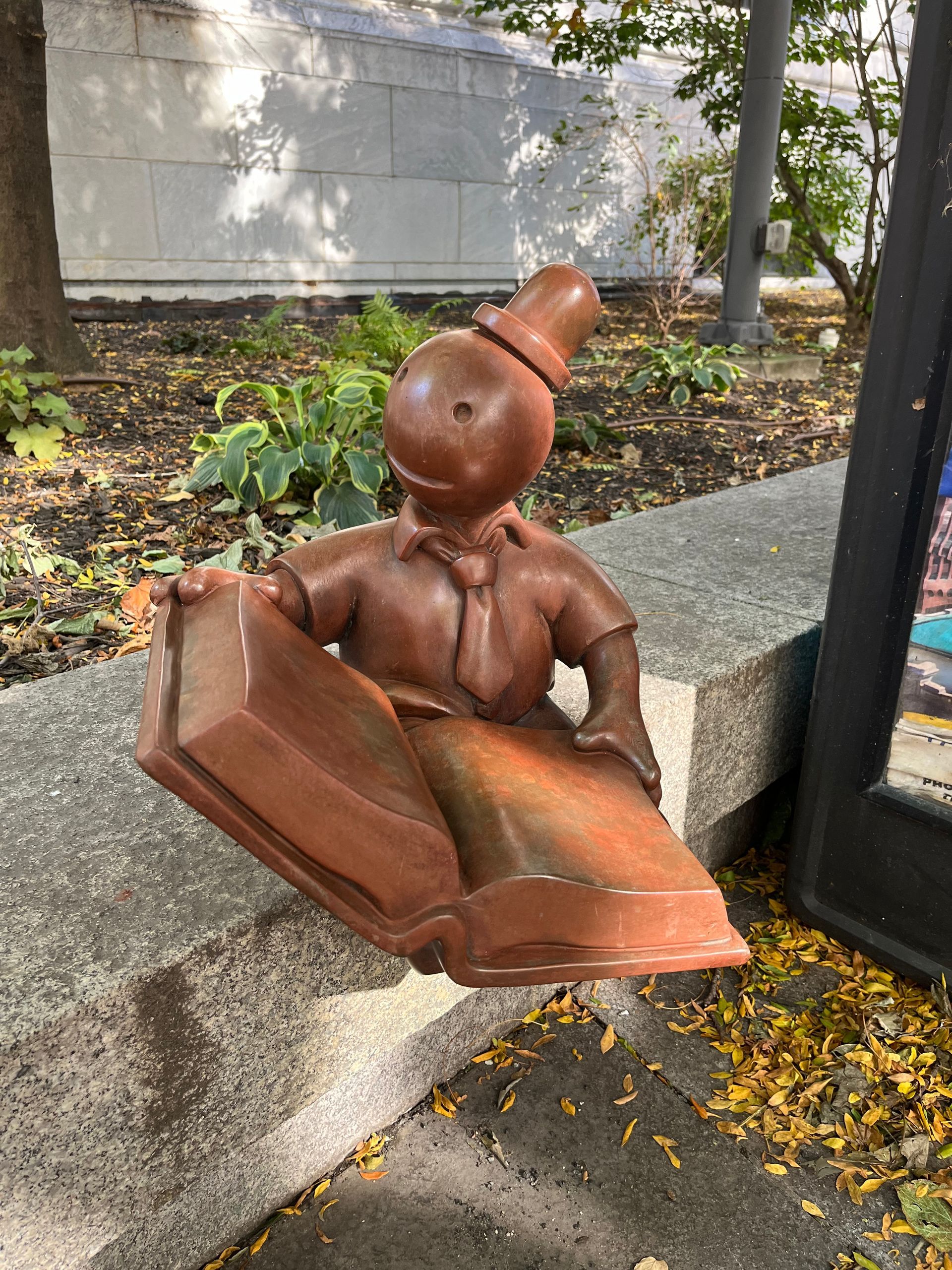
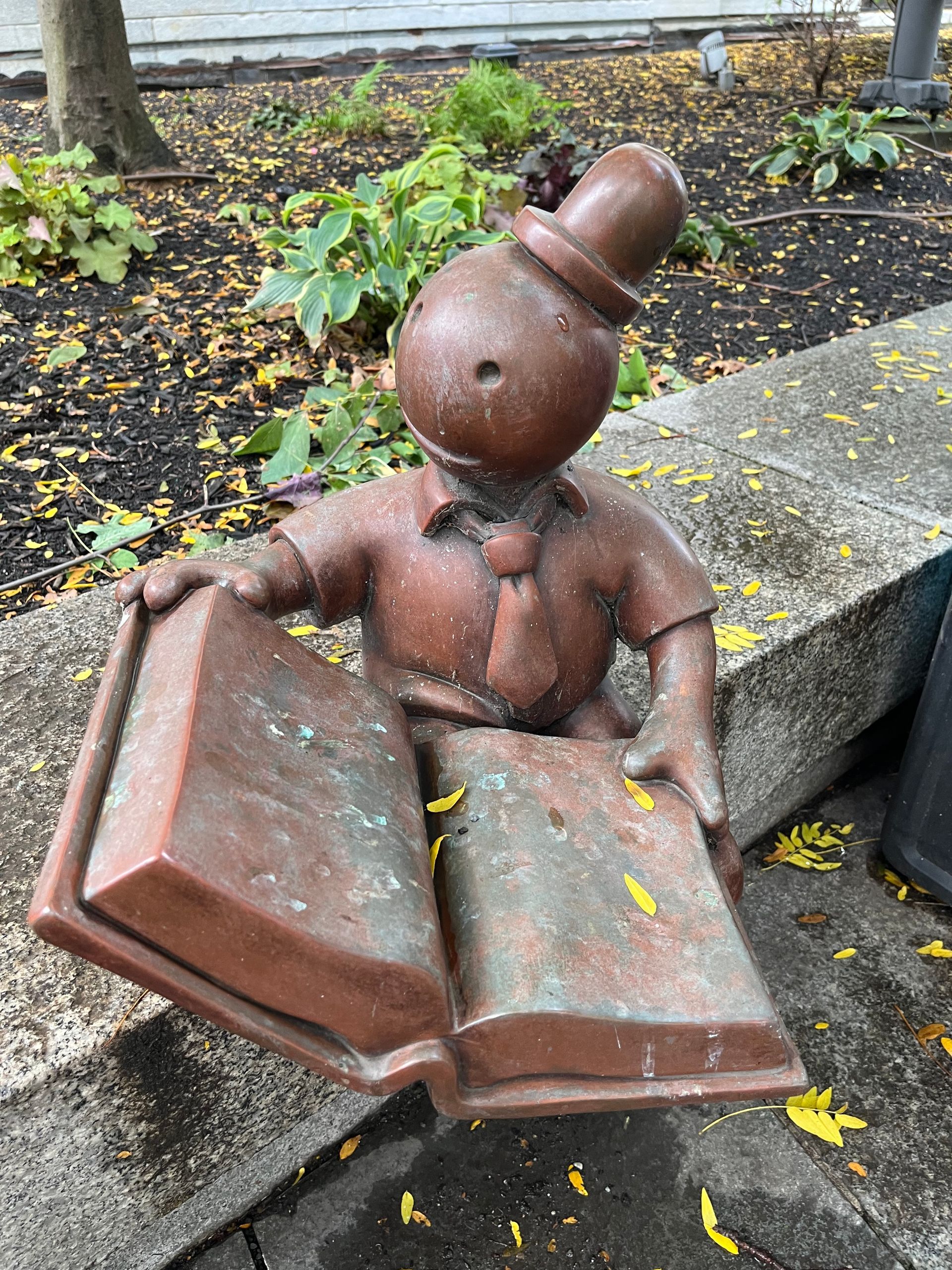
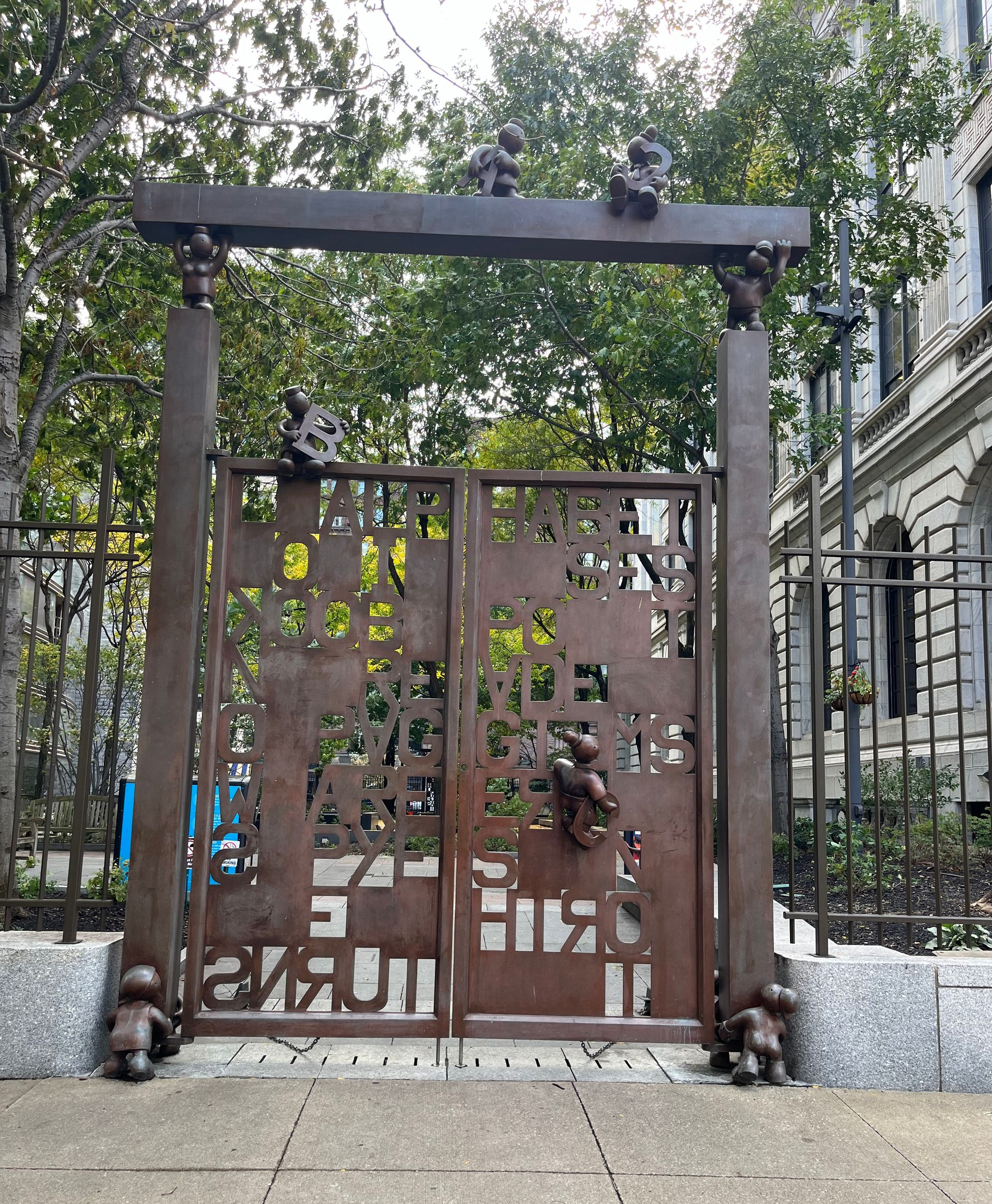
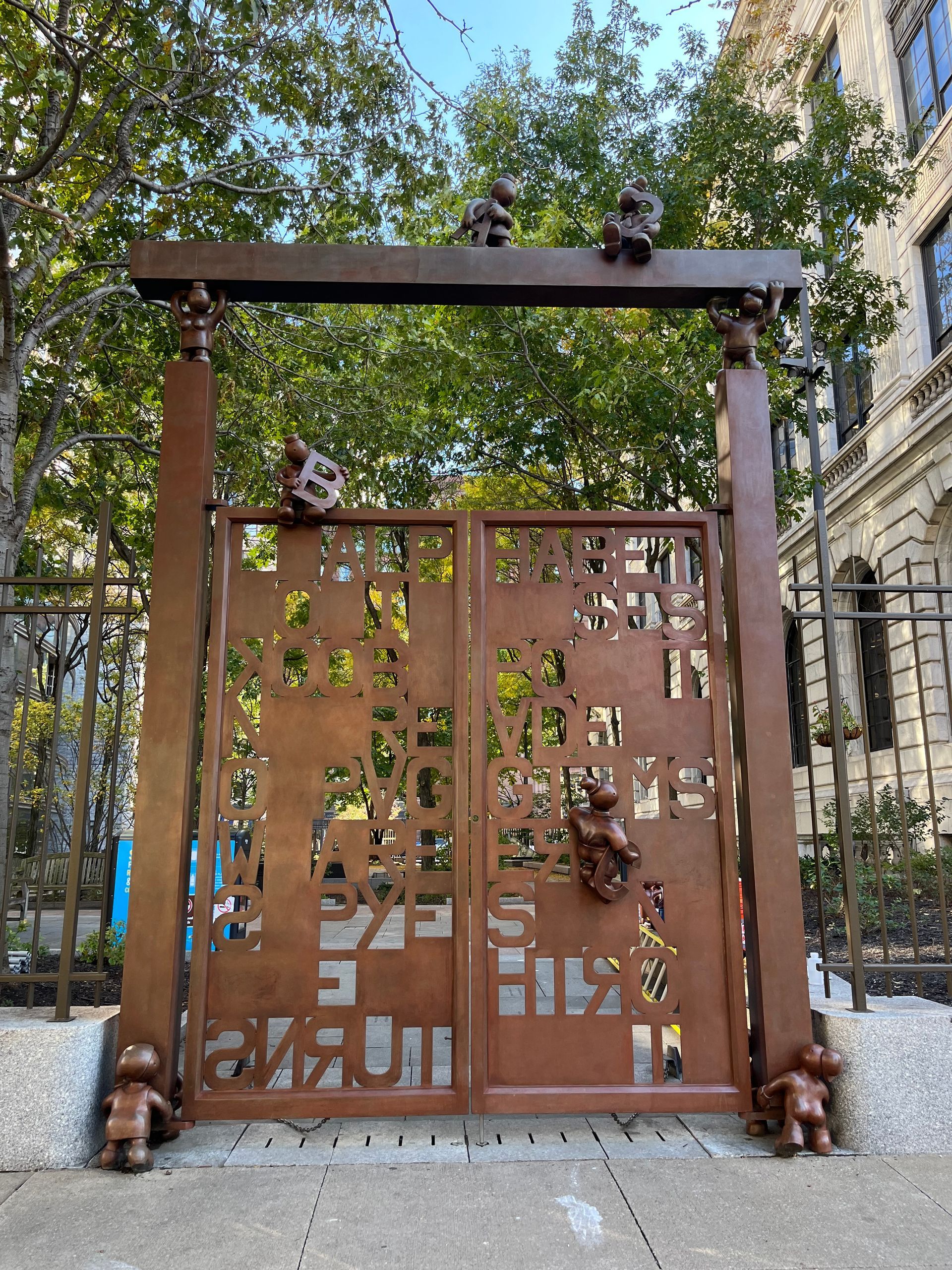
Outdoor objects face unique challenges: UV exposure, temperature swings, pollutants, moisture, and winter de-icing salts. ICA performs on-site cleaning, condition surveys, patina care, waxing and coating programs,and recommendations for maintenance schedules. We frequently provide outdoor sculpture conservation in Cleveland and throughout Ohio, where changing seasons and lakefront conditions accelerate deterioration.
Process & Documentation
Clear Examination, Proposal, and Care Guidance
Every project begins with an examination and written condition report, followed by a treatment proposal outlining goals, steps, and materials. When appropriate, we include preventive recommendations such as environmental targets, handling guidance, and storage solutions to support the object’s long-term preservation. Work is documented with before-and-after photography and a summary of materials and methods. At ICA, we believe clear communication is an integral part of good conservation.
Project Highlights
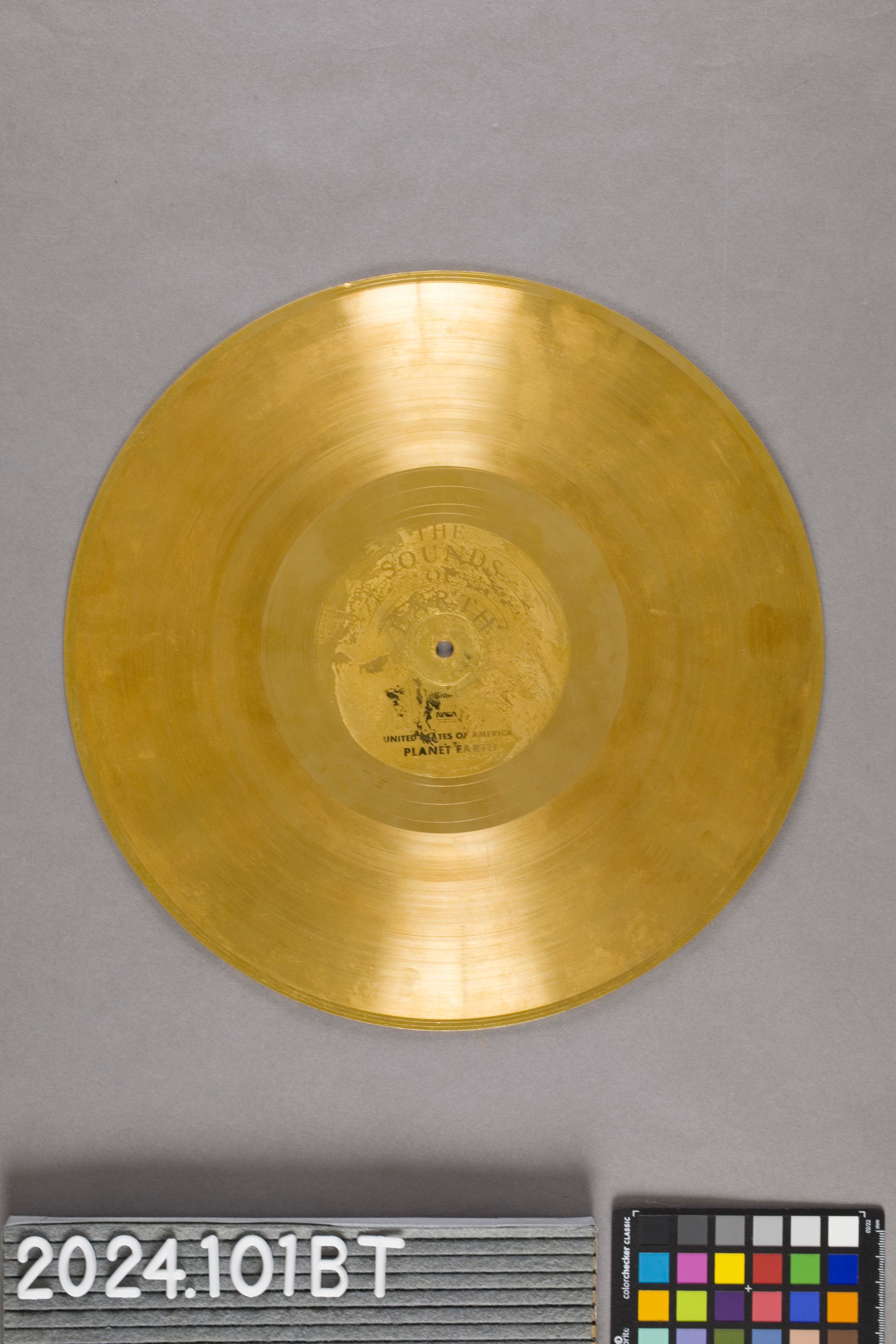
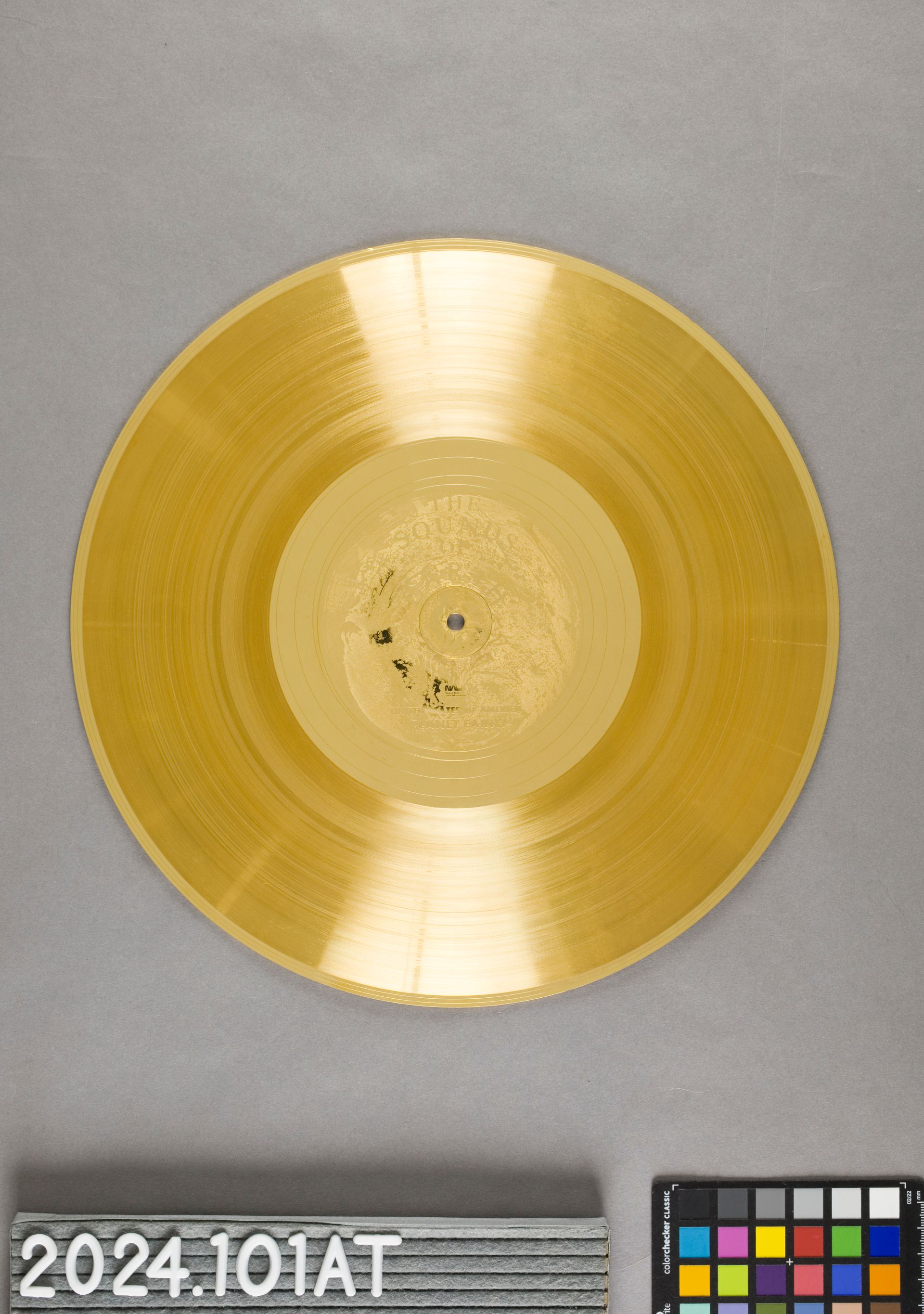
Project Highlight - Voyager record, 1977
NASA Glenn Research Center
Treatment Summary: When NASA Glenn brought this copy of the Voyager Golden Record (gold-plated copper) to ICA, it showed fine scratches, abrasions, fingerprints, and areas of gold loss showing copper corrosion. Treatment involved careful cleaning with mild dilute acid and solvents to remove surface contaminants while preserving the delicate gold surface and playable grooves; no protective coatings were applied to maintain the record’s original function. A sealed display system was designed to allow the record to be displayed, while limiting oxygen exposure to slow corrosion. The record is mounted between layers of Plexiglas, creating a controlled micro-environment, and the assembly is housed in a frame that allows safe display while protecting this rare object, one of only 12 copies ever produced. NASA Glenn intends to lend this object to other institutions for display, so we created a custom protective case to cushion the record and it’s display mount.
FAQ: Answers to Common Questions
About Objects Conservation
My statue is broken into several pieces. Can it be repaired?
Often, yes. We rejoin fragments with conservation-grade adhesives, fill losses where appropriate, and tone those fills to blend with adjacent surfaces. The aim is structural stability and visual coherence while respecting original materials. This type of repair is a common part of sculpture and artifact conservation work.
What kinds of objects do you treat?
We treat metals, outdoor sculpture, ceramics, glass, carved stone and plaster, wood and organics, mixed media, and decorative arts. If you’re unsure about what your object is made of, feel free to send us photos and for an initial review.
How do you address rust or corrosion on metal artifacts?
Treatment typically involves identifying corrosion, gently removing active products, and applying a protective coating or wax system to slow future change. For outdoor works, we also recommend maintenance intervals suited to local conditions.
Can you help with fading or flaking paint on a statue?
Yes! We stabilize flaking paint or gilding with precise consolidation and, when suitable, tone areas of loss to create legibility. The approach is tested and tailored to the object and its context.
Do you offer ceramic conservation for shattered items?
Absolutely! We routinely reassemble ceramics and glass objects, filling losses and integrating color where appropriate. The goal is a stable, legible object ready for display or storage.
Do you work on-site for large or fixed pieces?
Yes. For monumental sculpture, or fixtures that cannot travel, we plan on-site conservation with appropriate equipment.
How do I start and what will I receive?
You will first start with an initial examination. This leads to a condition report and treatment proposal. After treatment, you will receive documentation and care guidance, including preventive steps and recommended handling.
Rooted in Cleveland, Serving the Midwest—and Beyond
We support museums of all sizes, historical societies, universities, and private collectors across Cleveland, Columbus, Cincinnati, Detroit, Dayton, and Louisville, with coordinated shipping and packing and transportation options. If an object is too large or fragile to travel, our team can plan on-site conservation to stabilize and treat it in place. Many of the collections we care for form the foundation of a community’s history and identity.