Clean, Repair & Preserve
Paintings Conservation for Oil, Acrylic & Works on Panel
ICA provides paintings conservation for artworks on canvas and panel. We can provide care for a variety of painting types such as paintings in oil and acrylic, polychrome sculptures, mixed media artwork, murals, and more. Based in Cleveland, we serve Ohio and the greater Midwest with projects nationwide. Our dedicated team will assess condition, plan treatments, and return paintings to safe display.
Materials & Formats We Treat
Canvas, Panel Painting, Murals & Contemporary Media
We treat oil and acrylic paintings on canvas and panel, as well as tempera, polychrome sculptures, gilded and decorated surfaces, and large-scale works including murals. All works undergo testing and condition assessment to inform tailored treatment approaches, ensuring material stability and preserving visual integrity across a range of media and techniques.
Process & Standards
Condition Report, Treatment Proposal, Clear Documentation
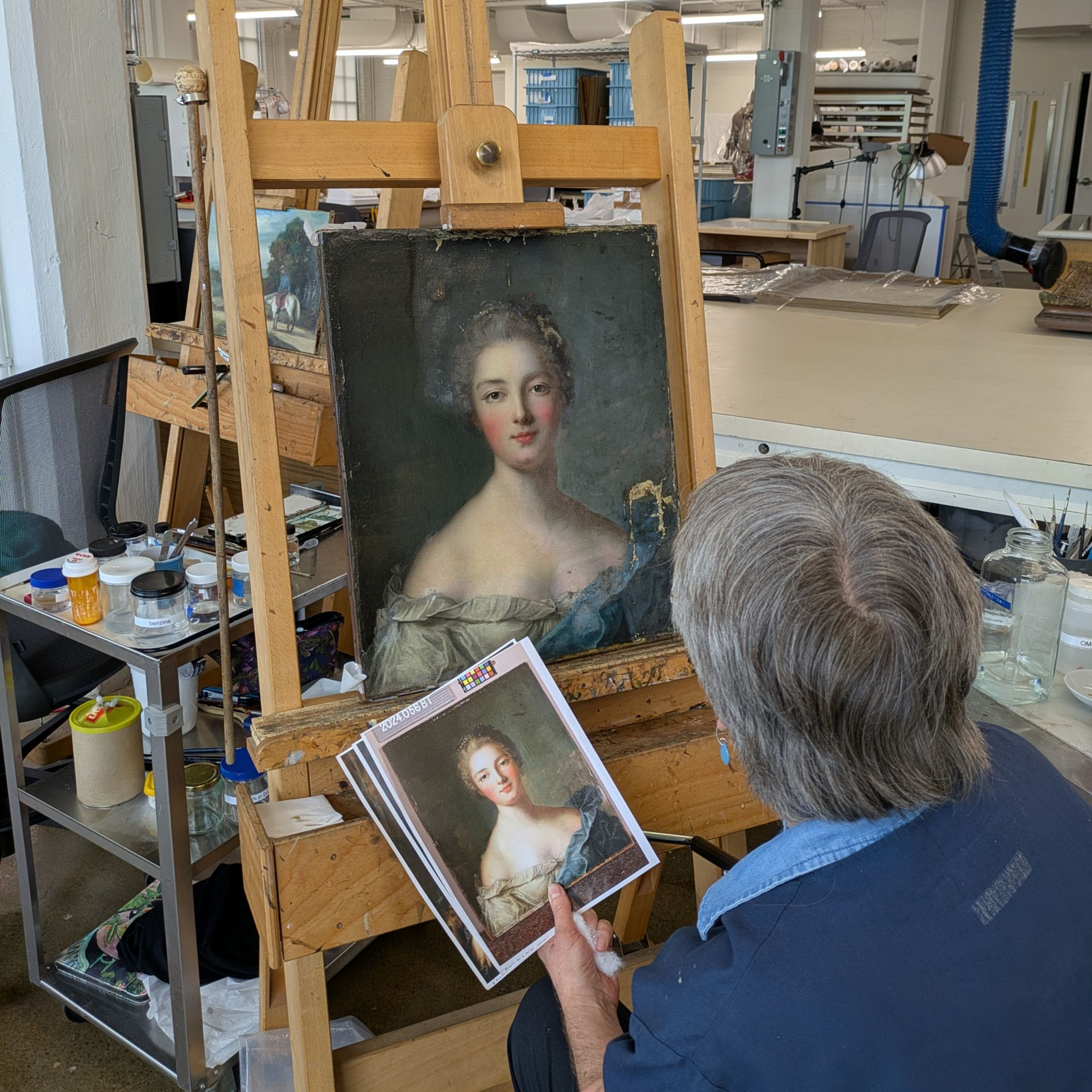
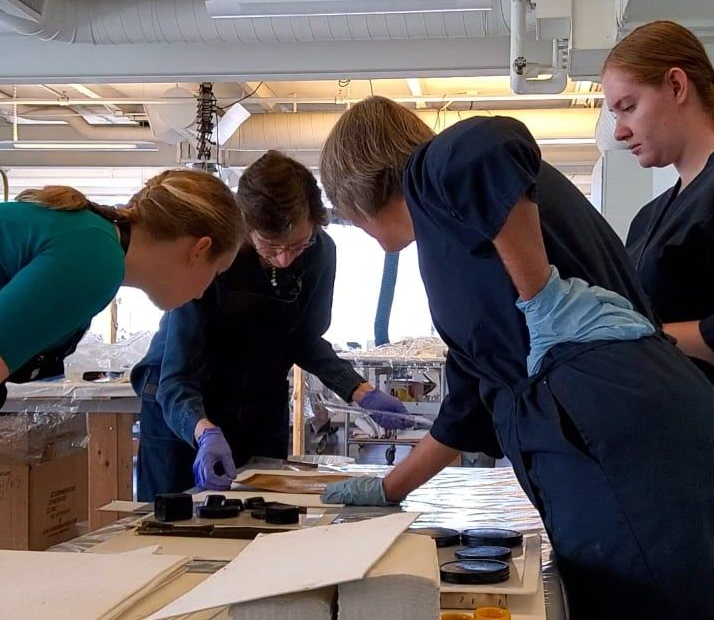
Projects begin with a detailed examination and written condition report documenting structure, materials, and condition issues such as flaking paint, surface grime, or previous overpaint. A treatment proposal is then provided outlining recommended procedures—including cleaning, stabilization, canvas repair, and loss compensation—along with an estimated timeline. All treatments follow the AIC Code of Ethics and Guidelines for Practice, with materials selected for stability and reversibility where appropriate. Each project includes before-and-after photography and concludes with a written report and tailored care recommendations.
Preventive Care After Treatment
Display, Framing & Environmental Guidance
After treatment, our team will provide practical advice for display and storage: stable humidity, avoiding direct sunlight, and using UV-filtering glass and archival backing. Our preservation services also include packing, transportation, installation, and mounting recommendations to keep paintings protected during exhibition and travel across the North Coast and the wider Midwest.
Project Highlights
Jessie Bayes (1876-1970), Casket
Cranbrook Center for Collections & Research, Bloomfield Hills, MI
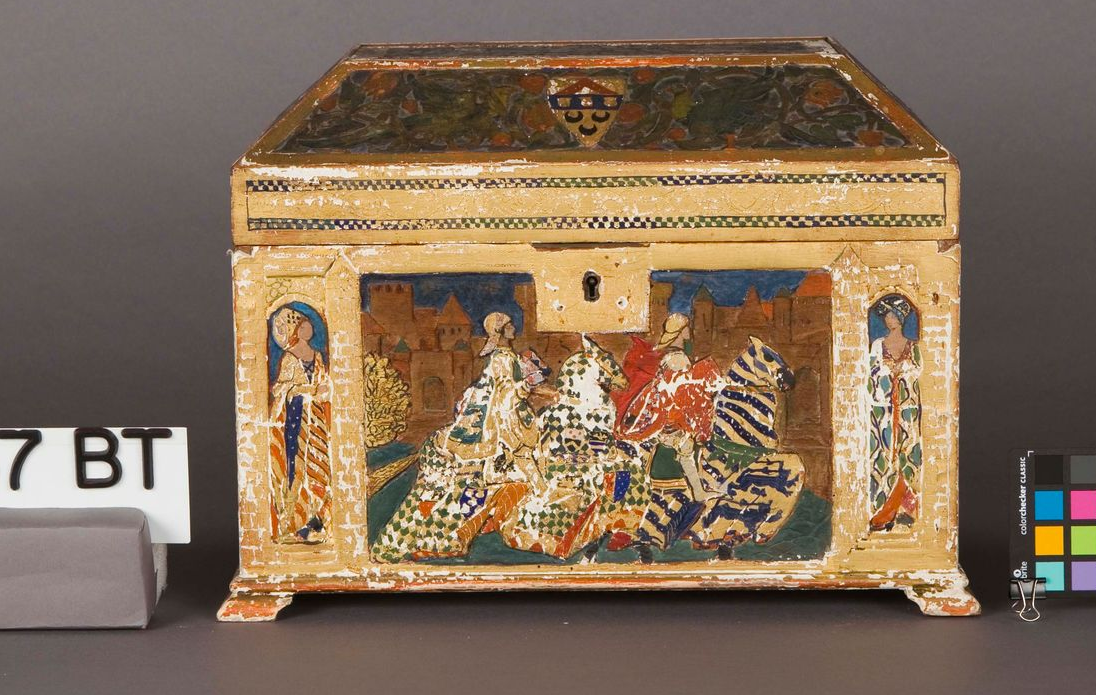
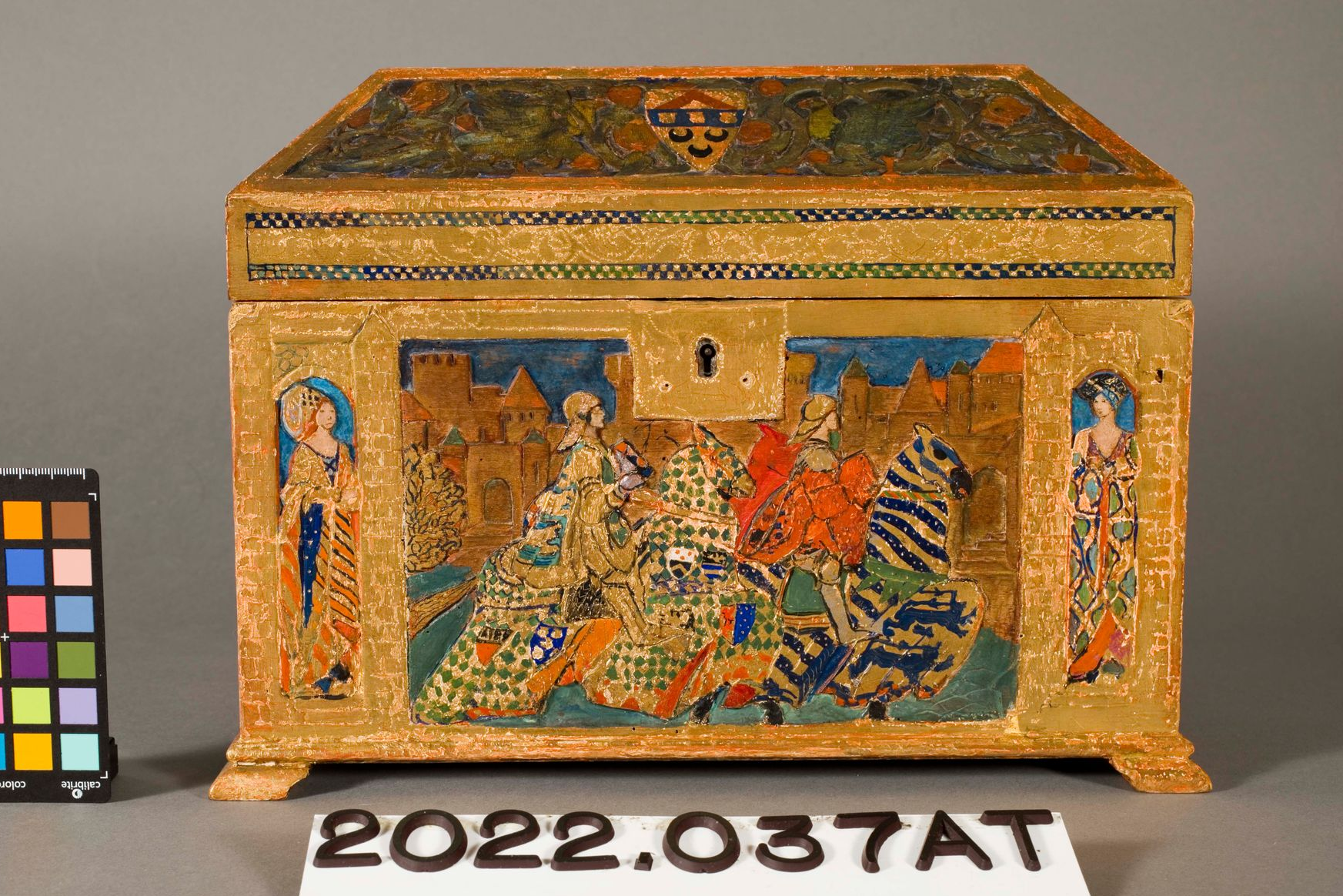
Treatment Summary: This 1920 carved, painted, gilt casket arrived at ICA with significant paint loss and flaking of the paint and gilding, missing hinge hardware and a missing foot. All surfaces were cleaned and flaking media consolidated and stabilized to prevent further loss. The lid received structural repairs, new hardware was sourced, and a replacement foot was cast using epoxy.
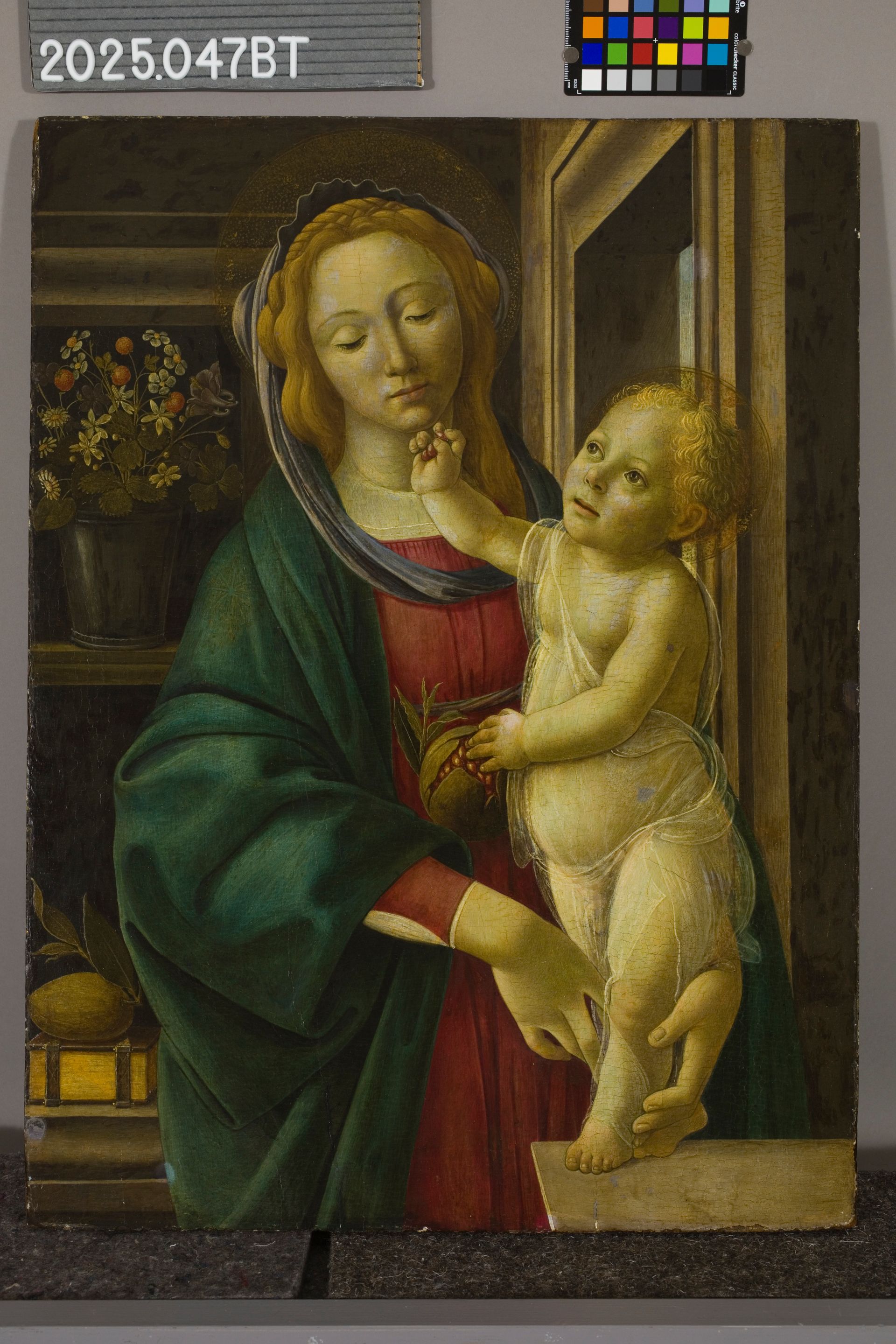
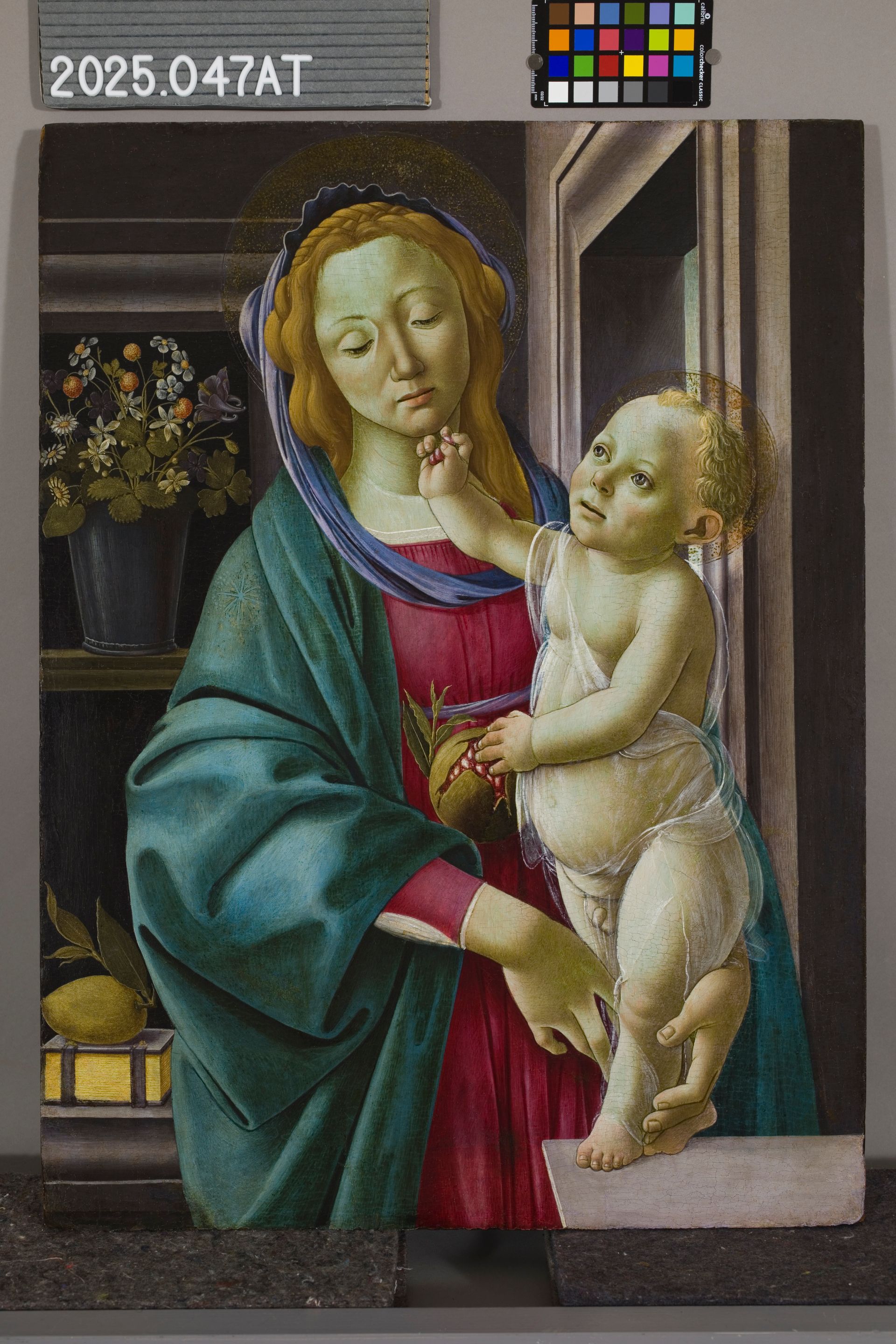
School of Botticelli, Madonna and Child with Pomegranates, Late 15th-early 16th c., tempera and oil on panel (2025.047)
Raclin Murphy Museum of Art
Treatment Summary: This painting arrived at ICA in fair condition. Treatment focused on removing the discolored varnish and retouching as needed.
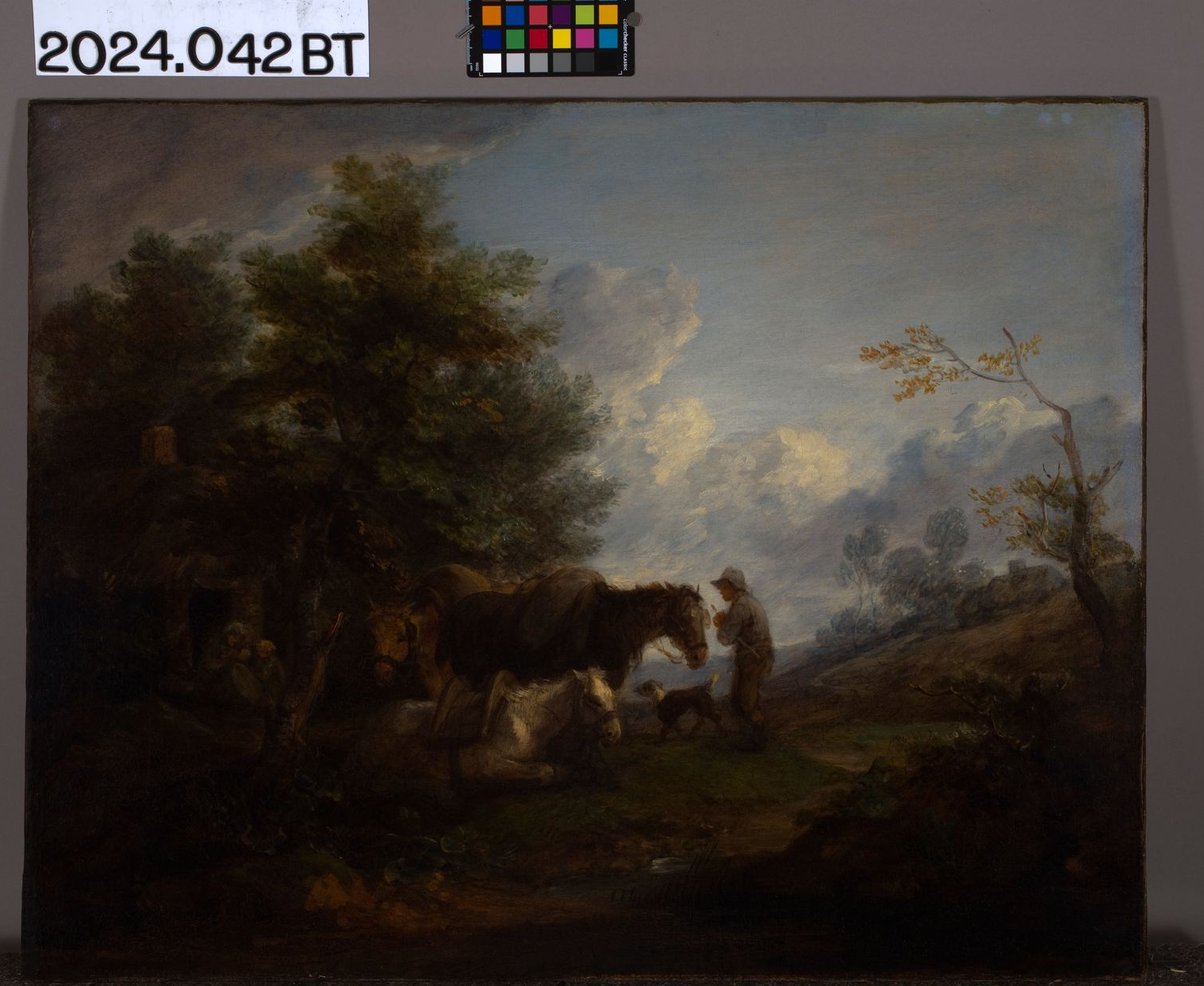
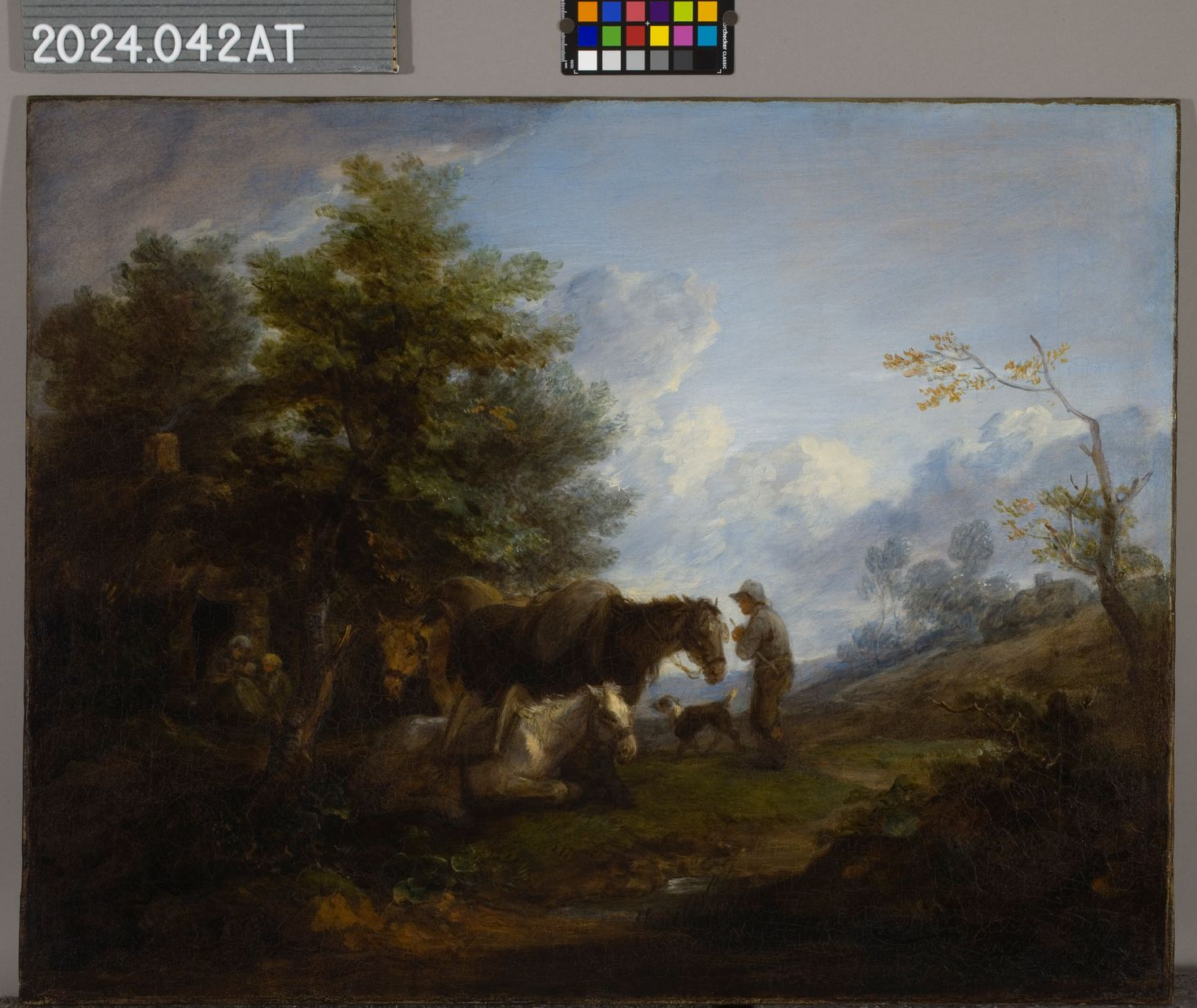
Thomas Gainsborough (1727-88), Packhorses (The Midday Rest), 1786, oil on canvas
Chazen Museum of Art, Madison, WI
Treatment Summary: While stable, discolored varnish and previous inpainting were distracting from the image’s legibility. The varnished was removed, as was as much of the previous campaigns of inpainting as safely possible. After cleaning, a stable, reversible conservation varnish was applied and inpainting carried out on losses, as well as on any insoluble previous inpainting, to adjust colors to better match the original surface.
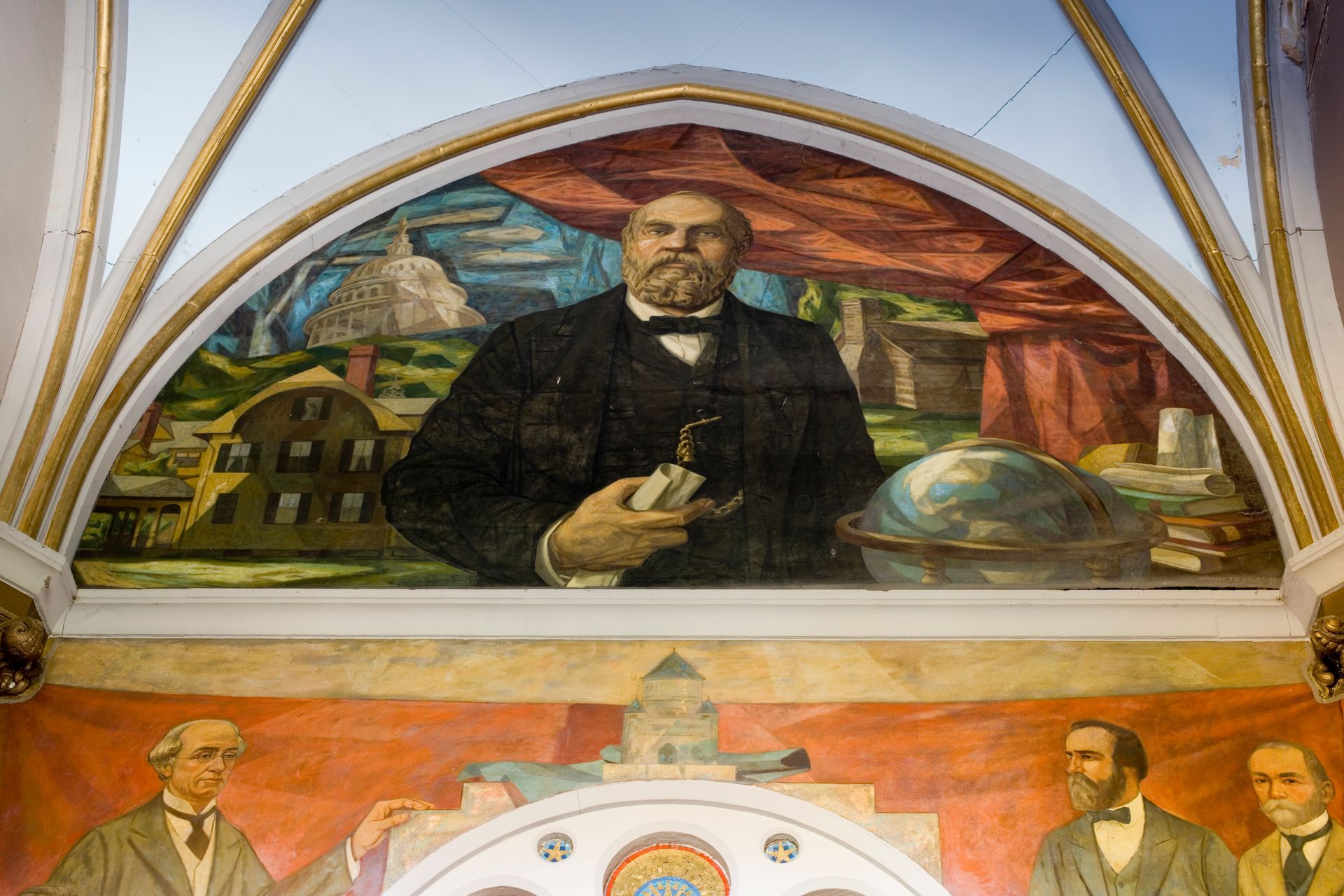
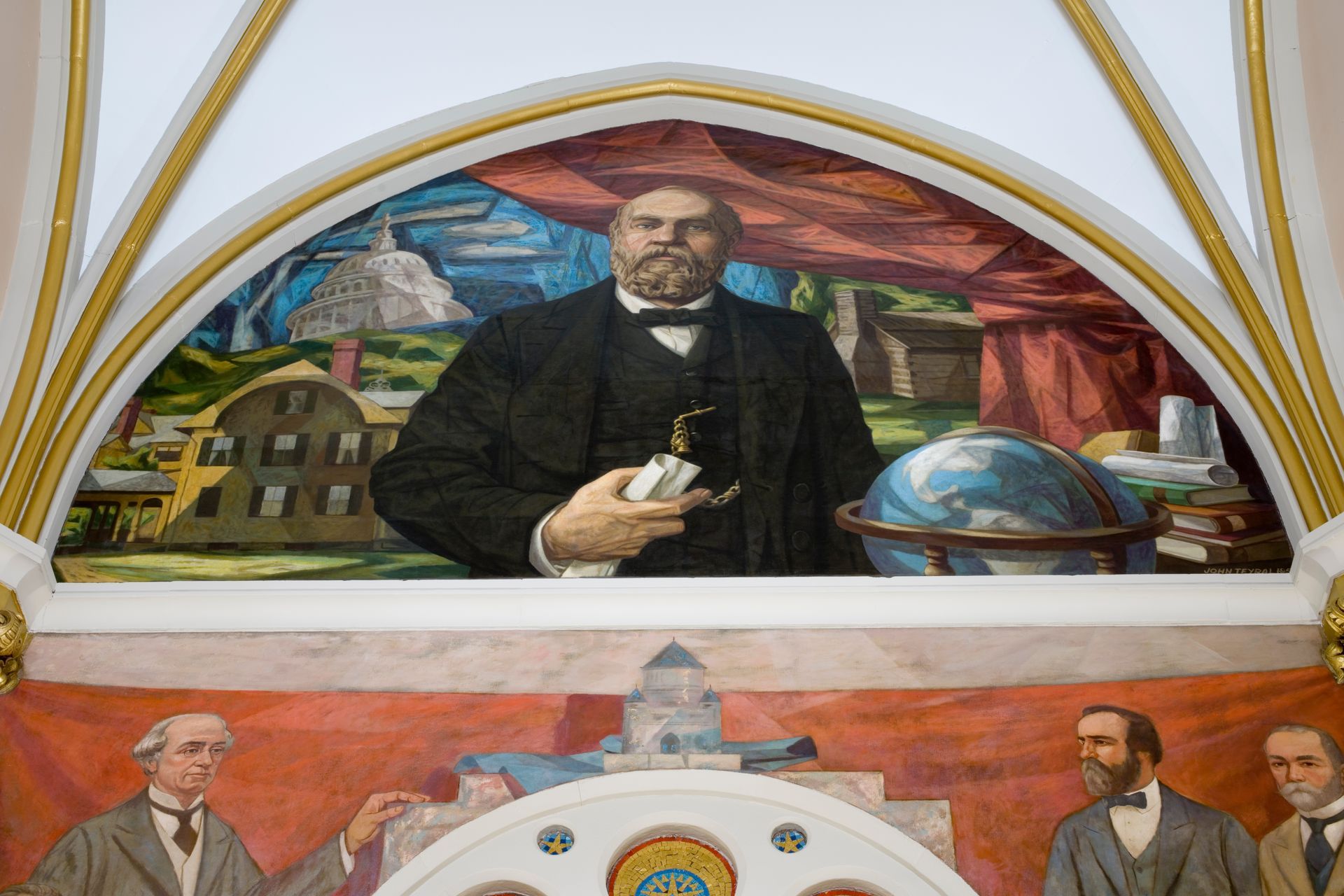
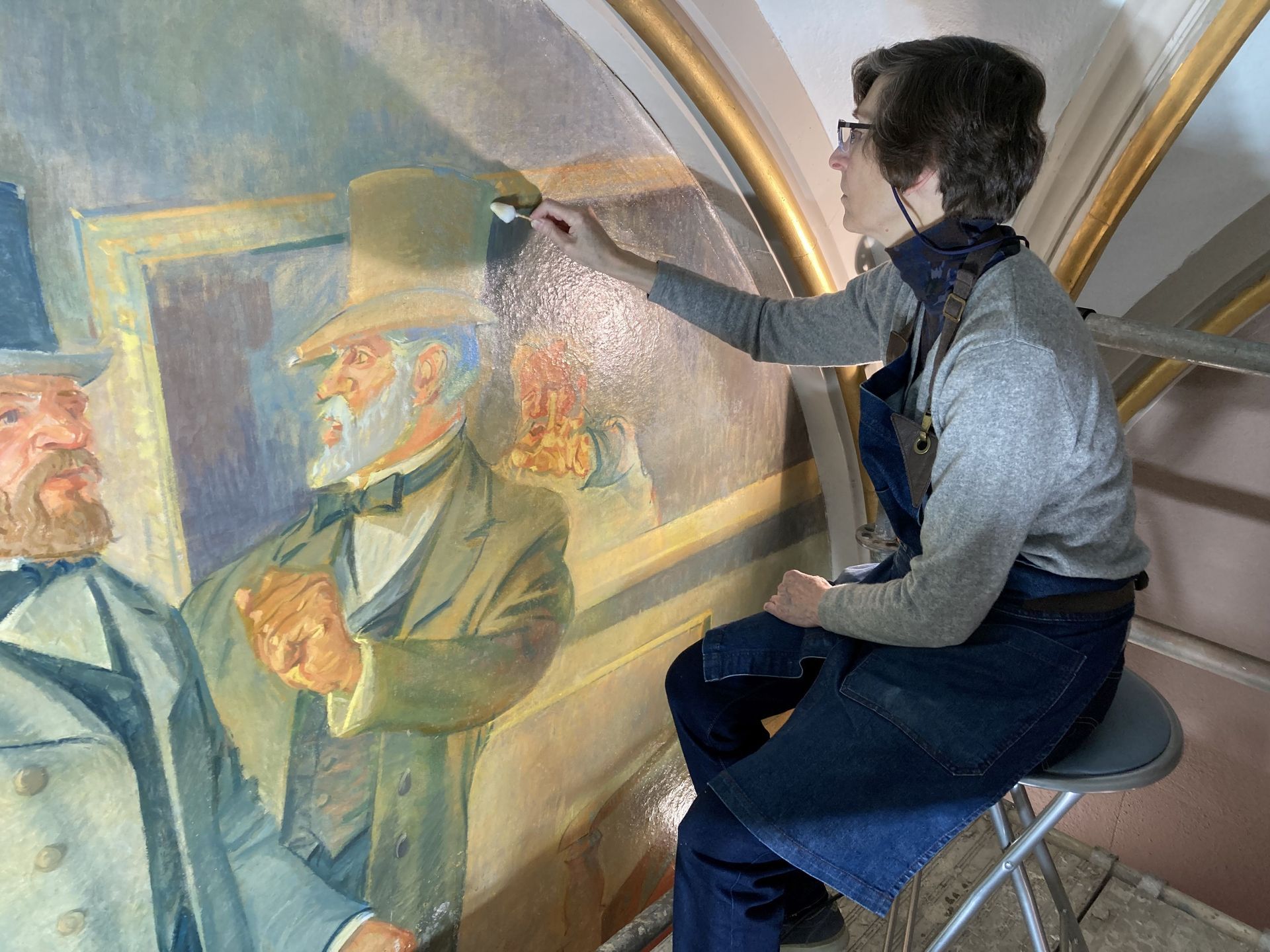
Mural series, James A. Garfield Memorial
Lake View Cemetery, Cleveland, OH
Treatment Summary: In 1952, this series of four murals detailing key moments in the life of President Garfield was installed in the Garfield Memorial in Lake View Cemetery. First examined in 2021, the series was conserved in situ over the course of six weeks in the fall of 2024. Treatment ranged from varnish removal and consolidation of insecure paint and securing areas of detaching canvas substrate, to overall cleaning, including removing a colony of ladybugs that had taken up residence behind one of the canvases. The paintings brightened dramatically and are much more legible from the ground.
Regional Reach
Rooted in Cleveland, Serving the Midwest—and Beyond
From Cleveland’s University Circle to Columbus’s Short North, Cincinnati’s Mt. Adams, Pittsburgh’s North Shore, and Indianapolis’s Broad Ripple, we support museums, galleries, community collections, and private owners. Coordinated shipping and on-site options are available for pieces that cannot travel.
FAQ: Answers to Common Painting Conservation Questions
My painting looks yellow and dull. Can cleaning really help?
Yes. Removing discolored varnish and surface grime often reveals original color, depth, and detail. Testing guides the safest approach so original paint remains intact.
There’s a tear in the canvas. How do you repair it?
We align the torn edges, reinforce the area from the reverse when needed. Our team will then fill any losses, and inpaint carefully so the image reads naturally. The goal is structural stability and visual cohesion.
Will conservation change how the painting is meant to look?
Treatments aim to stabilize and, when appropriate, return the original appearance. Cleaning, fills, and inpainting are undertaken with restraint and full documentation so choices are clear.
Do you work on modern and mixed-media paintings?
Yes! Acrylics, textured surfaces, and collage elements are treated with methods and materials suited to each component, following testing to ensure compatibility.
What will I receive after treatment?
You will receive a condition report, treatment proposal, before-and-after photographs, and guidance for display or storage so you can maintain results over time. You are encouraged to keep in touch with our team of experts after your treatment is over!